
Chinese Medicine and Acupuncture Insights
Practical insights into acupuncture, cupping, and Chinese medicine to help you understand your treatment options
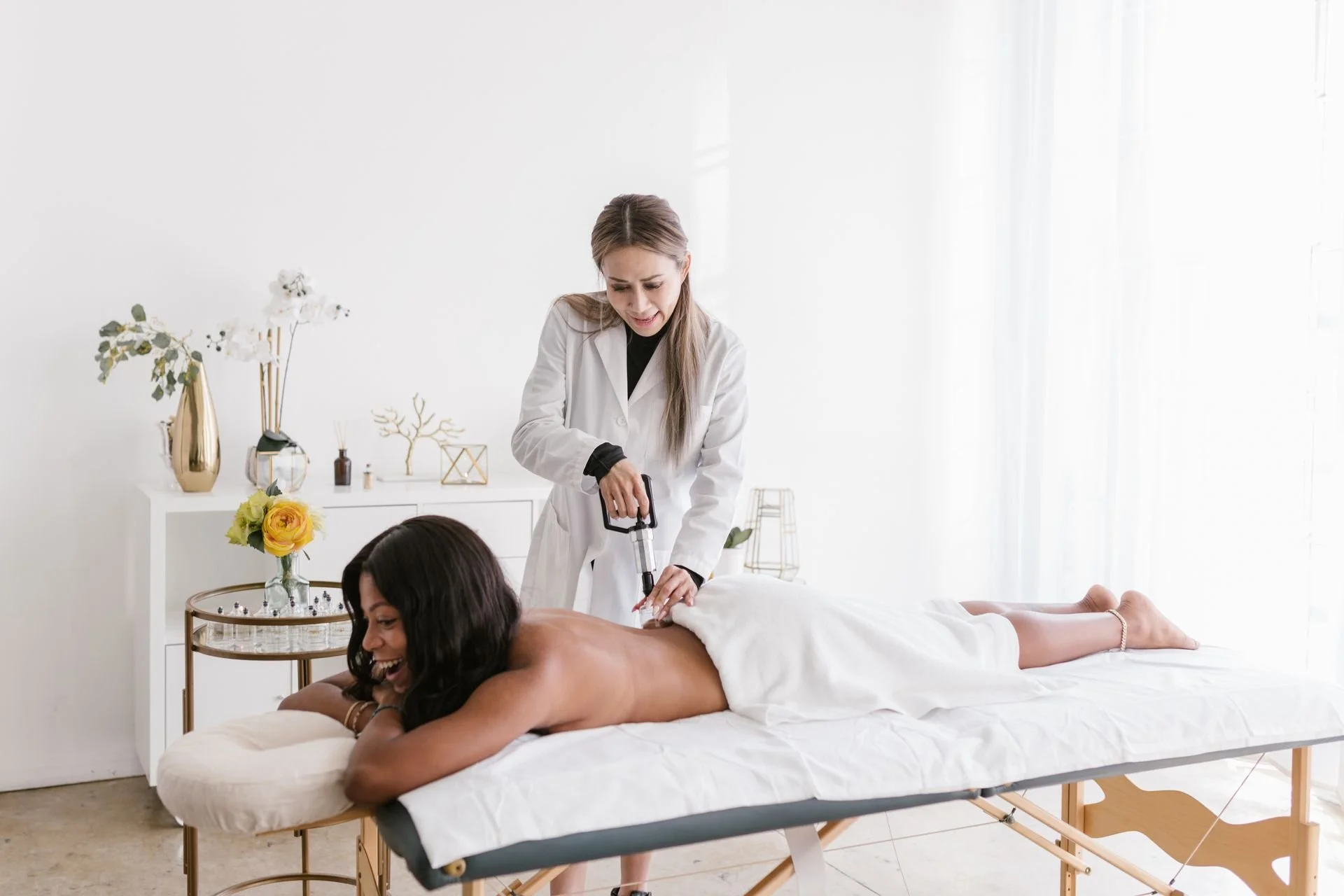
Cupping for Whiplash and Accident Recovery: How ICBC Coverage Works
After a crash in BC, ICBC pre-approves 12 acupuncture sessions in your first 12 weeks, and cupping can be part of that treatment. This guide explains how it supports whiplash recovery, how coverage works, and how to start with no upfront payment.
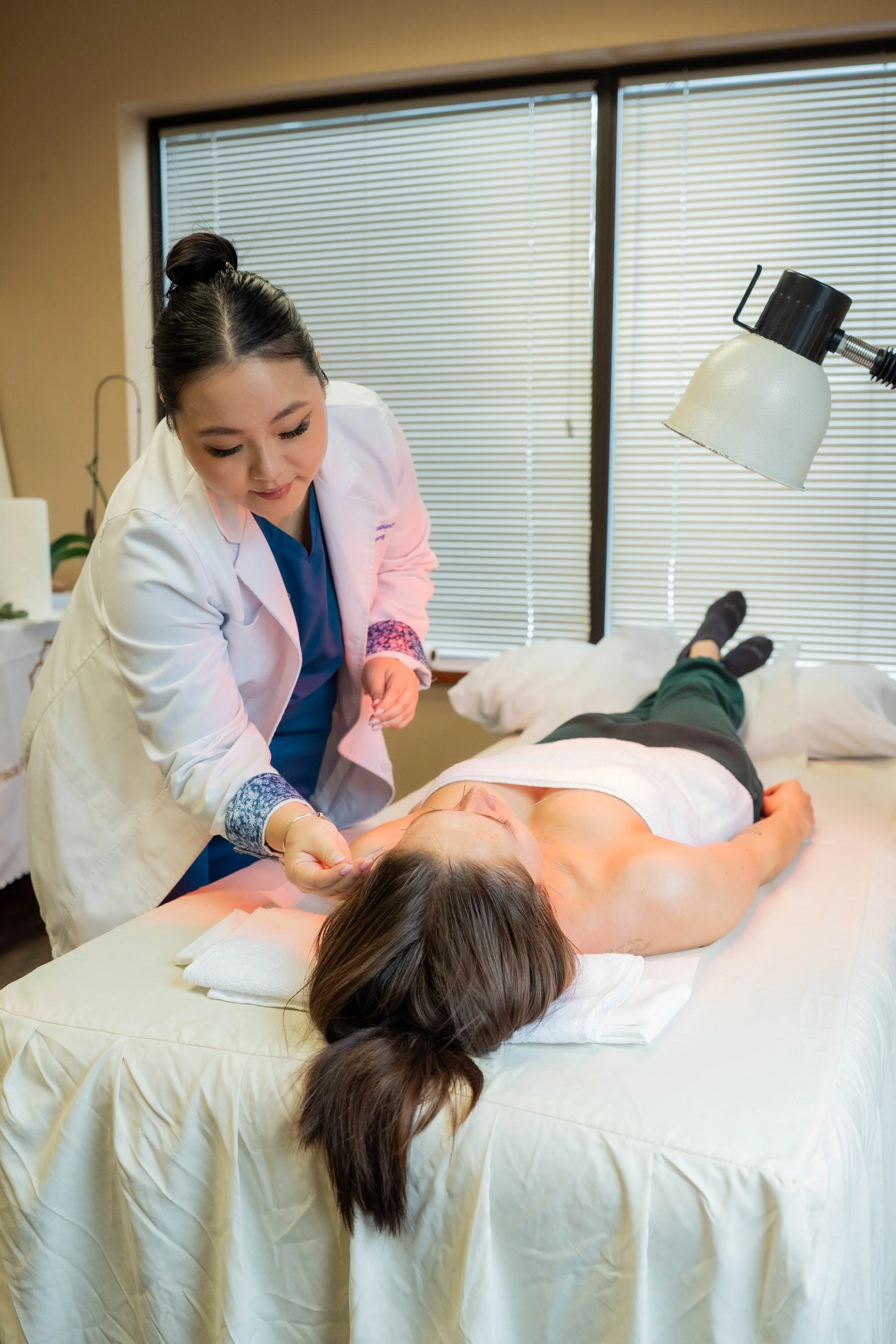
Facial Cupping vs Facial Acupuncture: Which Is Right for You?
Facial cupping and facial acupuncture both support the skin naturally, but they work differently and suit different goals. This guide compares the two so you can choose the right option for your skin.
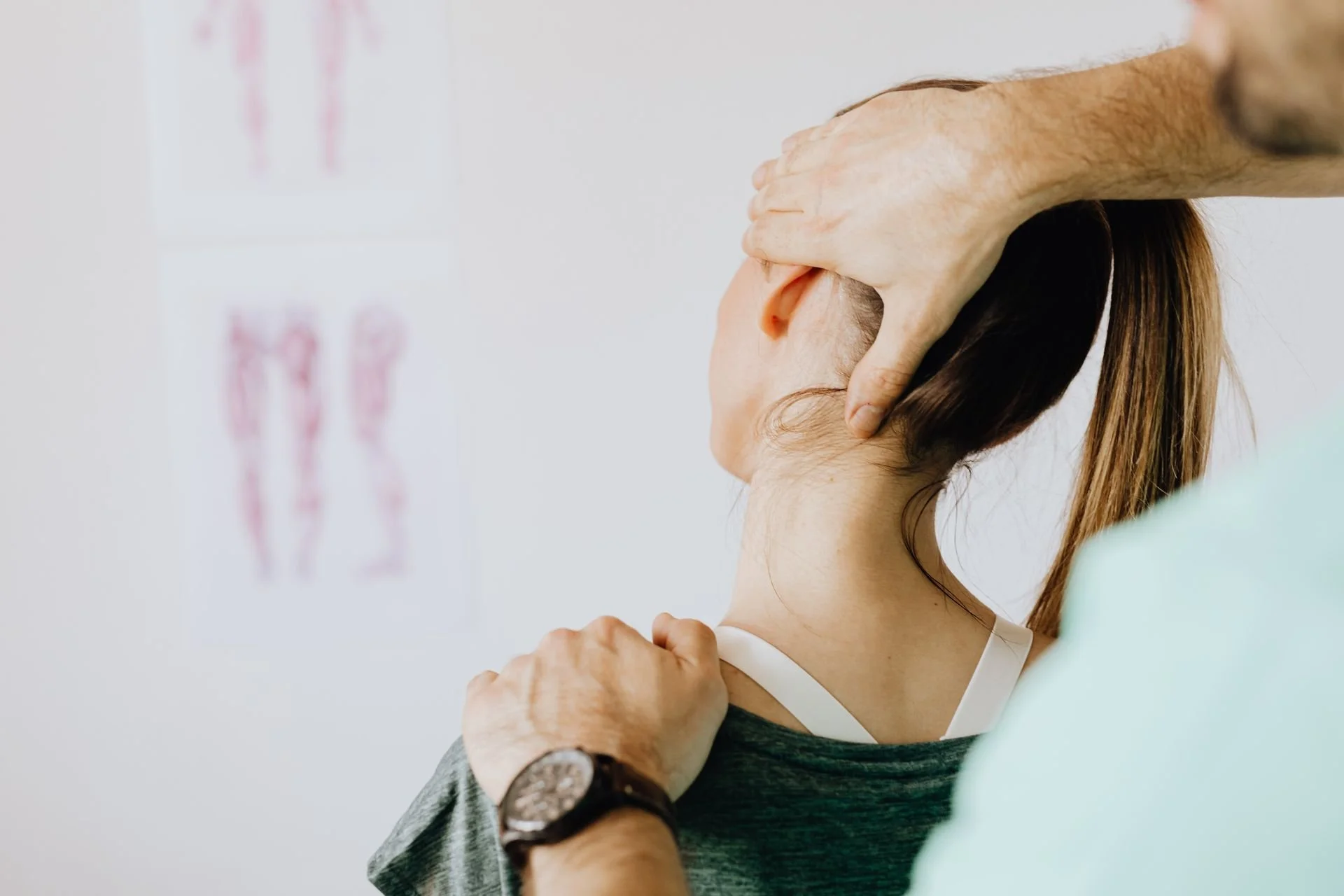
Acupuncture for Neck and Shoulder Pain
Neck and shoulder tension usually starts elsewhere. Here is how acupuncture treats the actual pattern, not just where it hurts.

Acupuncture for Irregular Periods
A 35-day cycle that runs consistently is regular. One swinging between 22 and 45 days is not, and treating both the same way is a common mistake. Here is how acupuncture supports cycle regulation, and when to get a medical assessment first.
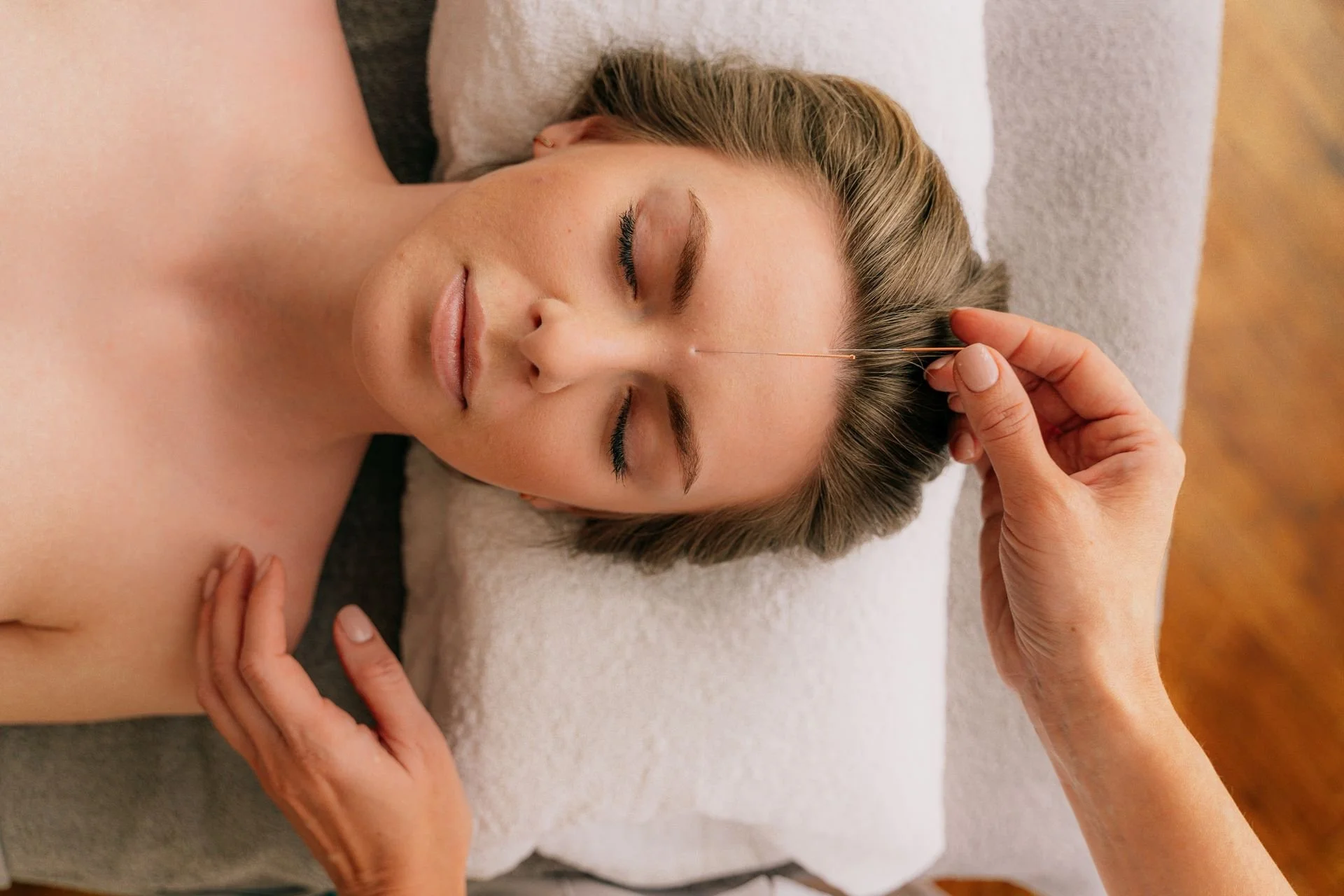
Cosmetic Acupuncture Vancouver
Cosmetic acupuncture is not a natural alternative to Botox. It works through entirely different mechanisms and produces results in a different range. Here is an honest assessment of what it does, what it cannot do, and who it actually suits.
Acupuncture for Endometriosis
Acupuncture does not resolve endometriosis lesions. What it does address is pelvic pain, cycle irregularity, inflammation, and nervous system sensitization, the symptoms making daily life hardest. Here is what treatment realistically involves.
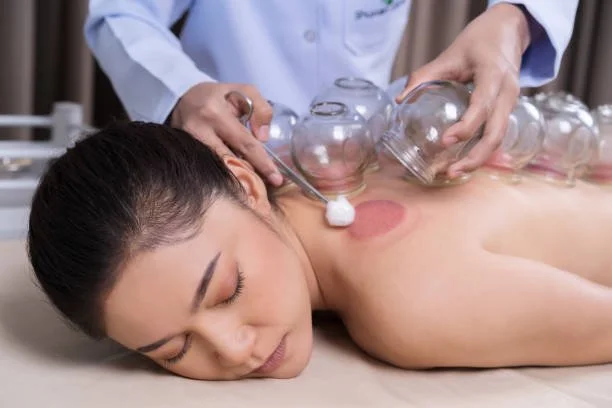
Fire Cupping vs Dry Cupping
Fire cupping and dry cupping both use suction to lift tissue and improve circulation, but they differ in technique, sensation, and when each method is most appropriate.
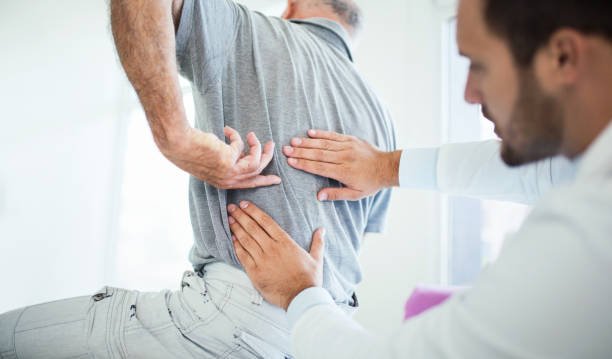
Acupuncture for Lower Back Pain
Lower back pain is one of the most common and most treatable presentations in TCM practice, but the approach depends entirely on identifying the correct driver.
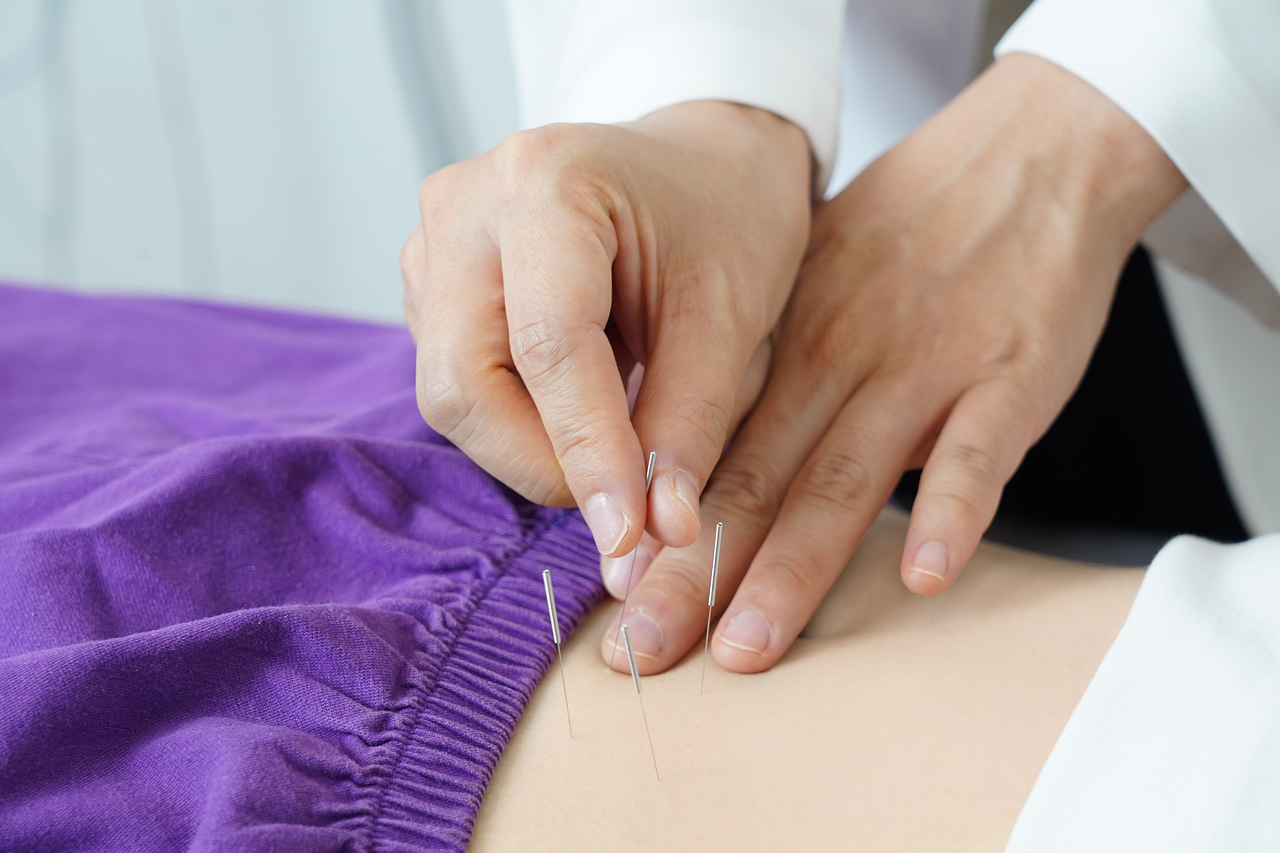
Acupuncture for Menopause
Acupuncture for menopause in Surrey and Greater Vancouver. Evidence on hot flashes, sleep, and mood, and what to expect from a full treatment course
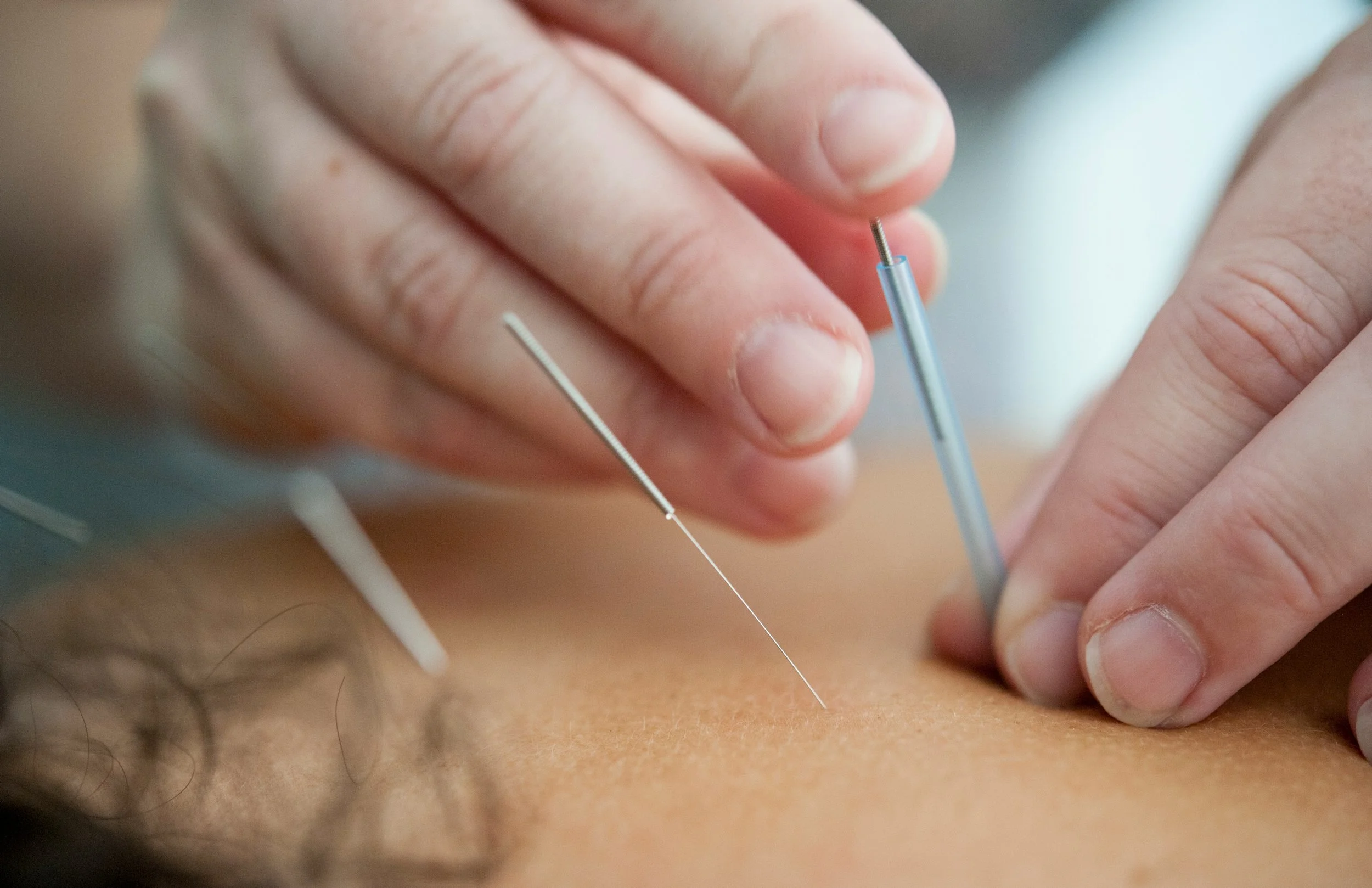
Acupuncture for PCOS
Acupuncture supports PCOS management by regulating cycles, improving insulin sensitivity, and reducing androgen symptoms. Surrey, Langley, South Surrey.
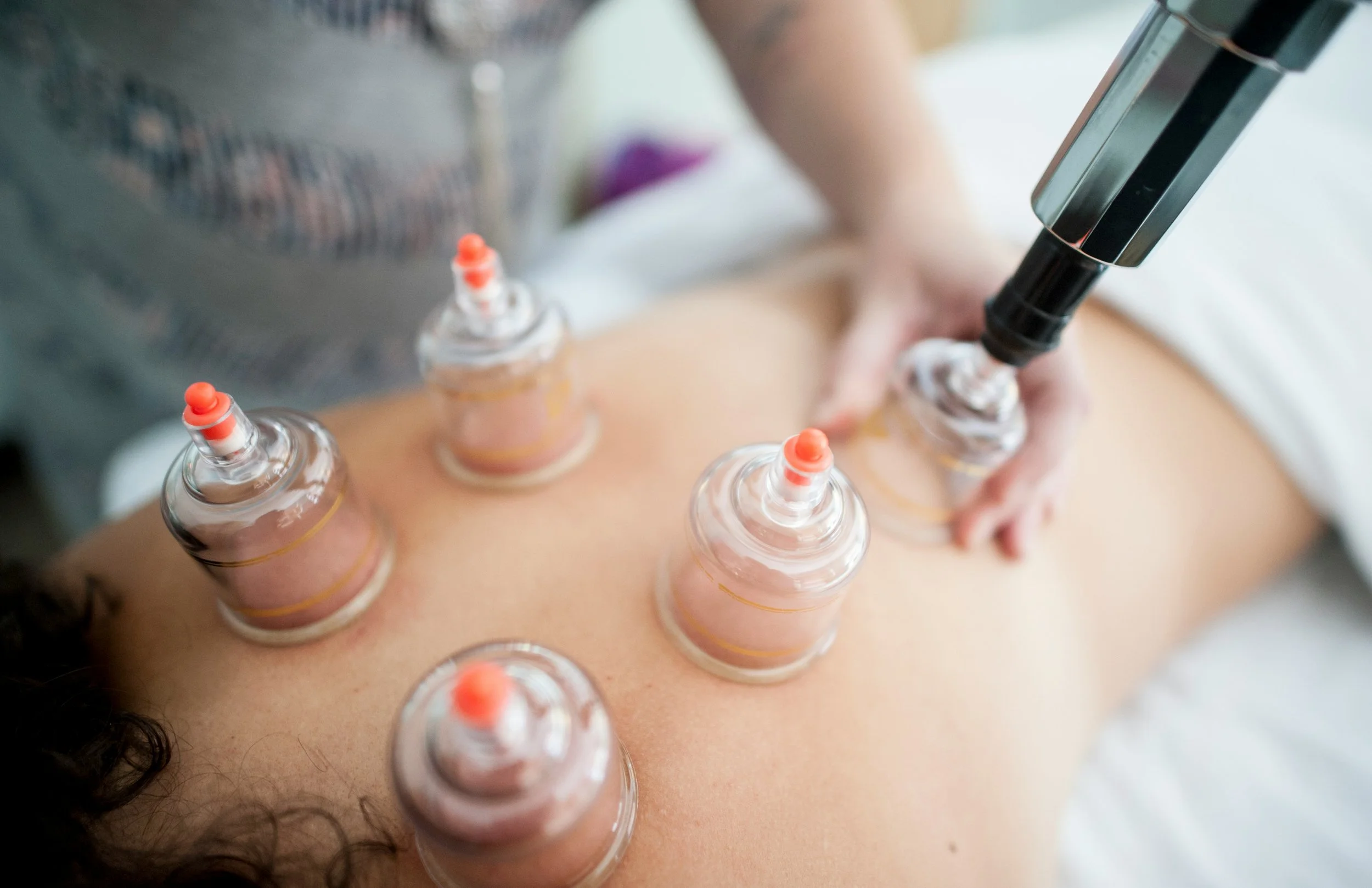
Cupping Therapy for Stress and Recovery
Cupping therapy supports stress recovery by reducing muscle guarding, improving circulation, and helping regulate the nervous system.
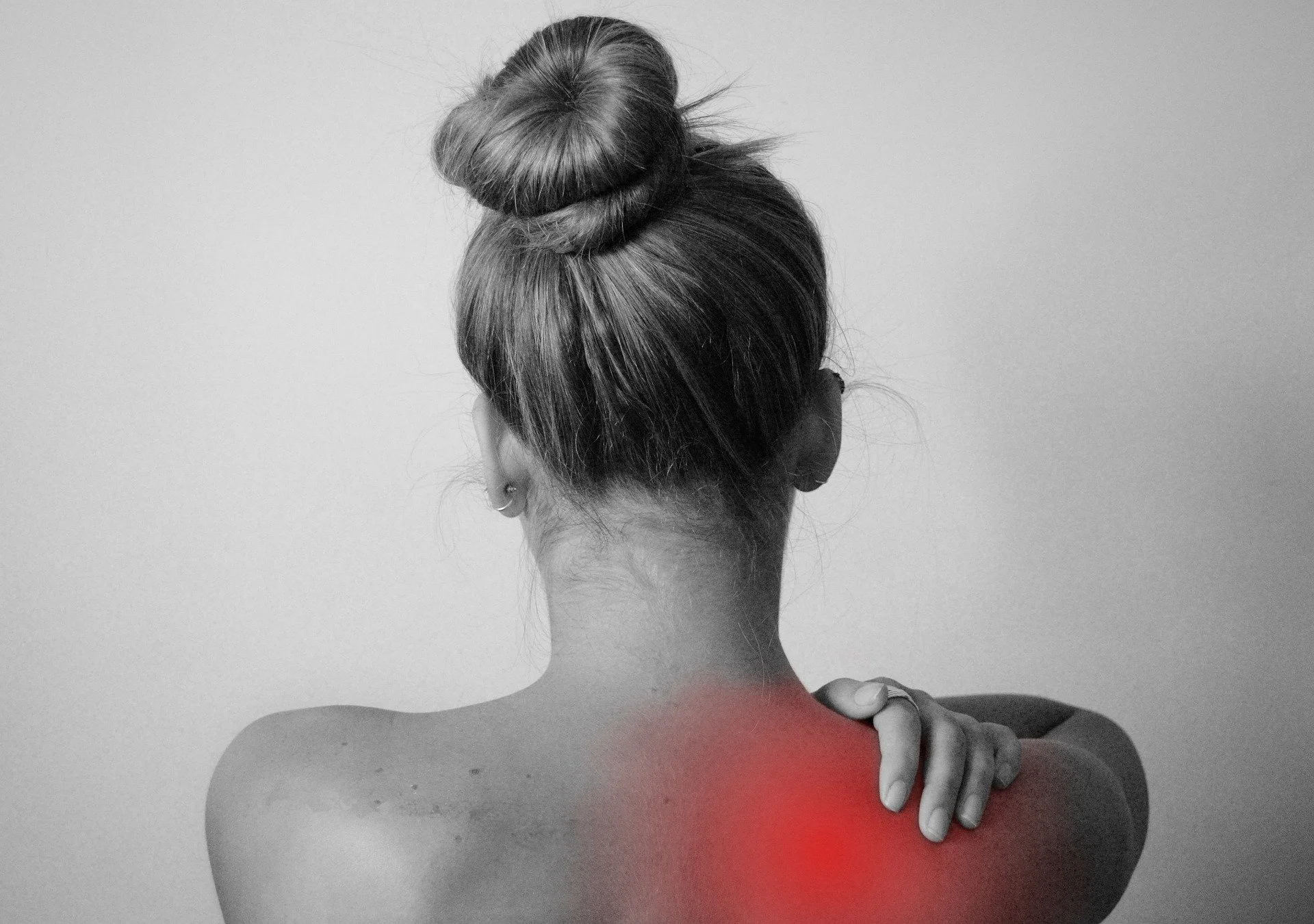
Cupping for Muscle Tension, Stiffness, and Knots
Cupping therapy supports muscle tension and stiffness by lifting and decompressing restricted tissue rather than pressing into it. This approach can improve circulation, reduce muscle guarding, and support better mobility.
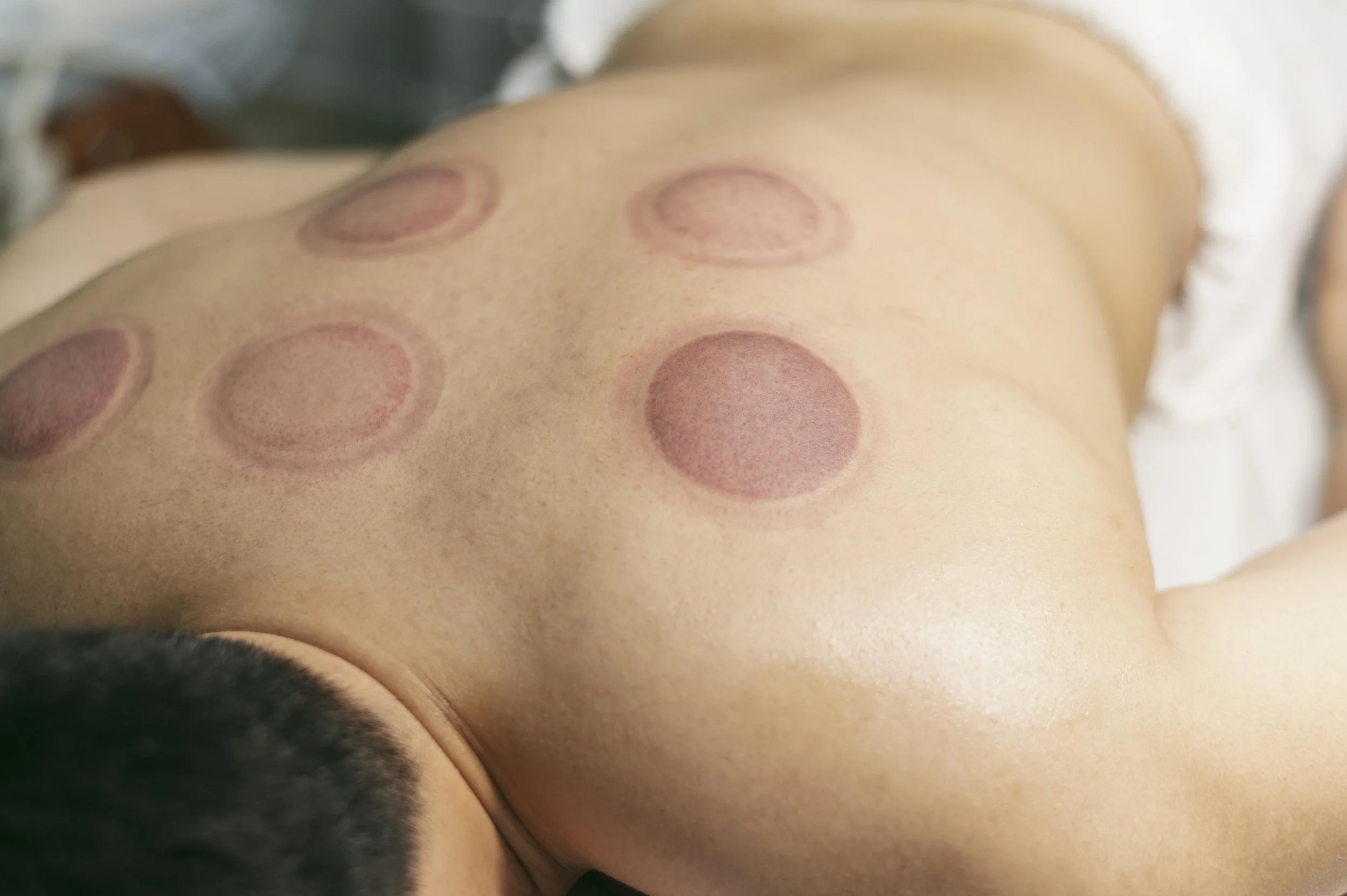
What Cupping Marks Mean: Colours, Bruising, and How Long They Last
Cupping marks are temporary skin discolourations caused by suction drawing blood toward the surface. They are not bruises or signs of toxins leaving the body. Colour can vary depending on circulation, tissue tightness, and individual response, and most marks fade naturally within three to seven days.
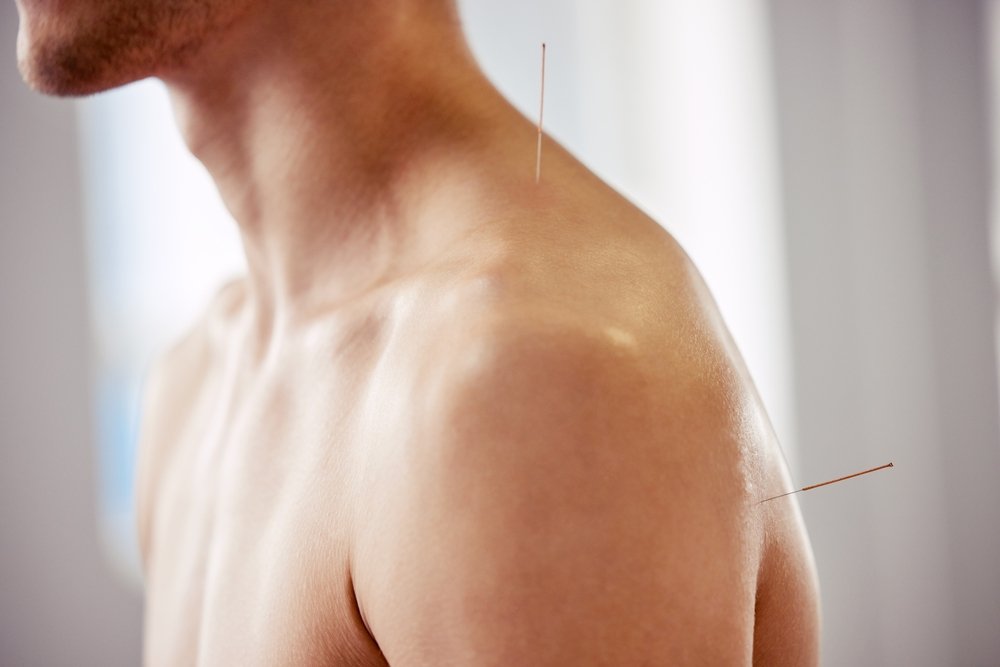
Acupuncture for Injuries: How It Supports Recovery and Healing
Acupuncture for injuries supports recovery by helping regulate pain, reduce muscle tension, and improve movement quality. Used alongside rehabilitation and medical care, it may assist the body’s natural healing processes and make returning to activity more comfortable and sustainable.
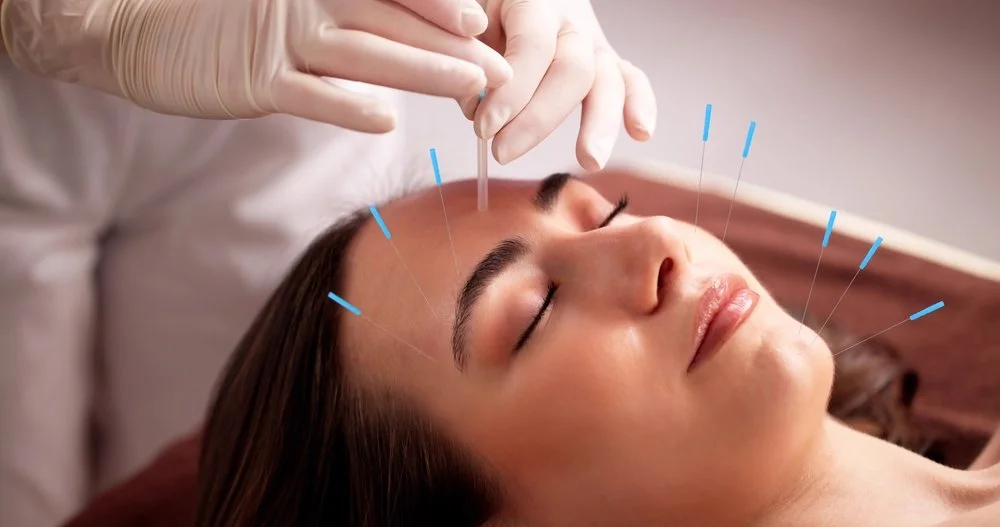
How to Tell If Acupuncture Is Working
Wondering if acupuncture is actually working? Learn the early signs of progress, what realistic improvement looks like over time, and how to measure results without second guessing every session. This guide explains how acupuncture typically supports gradual, meaningful change rather than instant symptom relief.
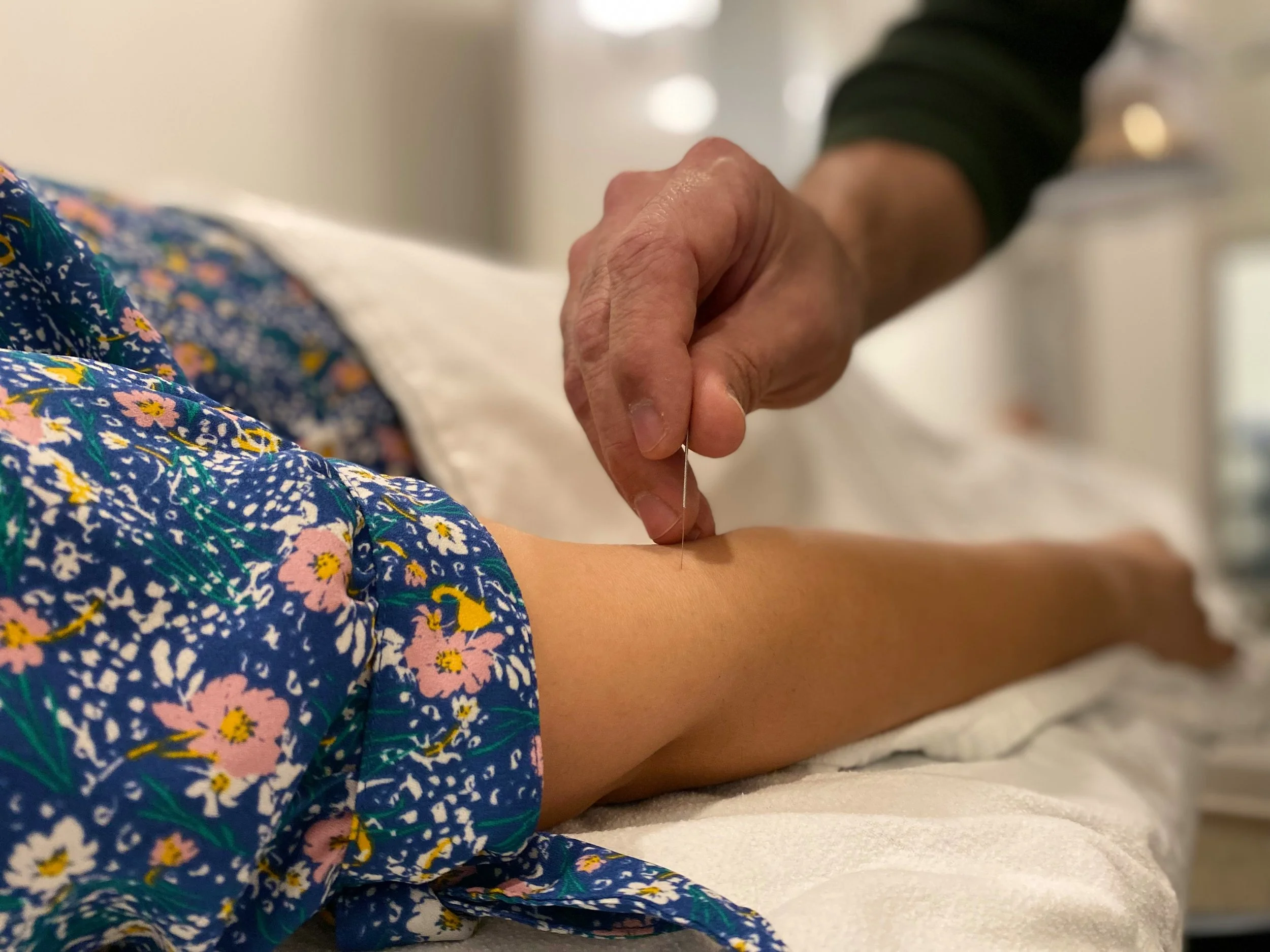
Fatigue After Acupuncture: Is It Normal and What Does It Mean?
Feeling tired after acupuncture is common and usually temporary. This guide explains why post-treatment fatigue happens, how long it lasts, and when to follow up, so you can respond with confidence and get the most from your session.
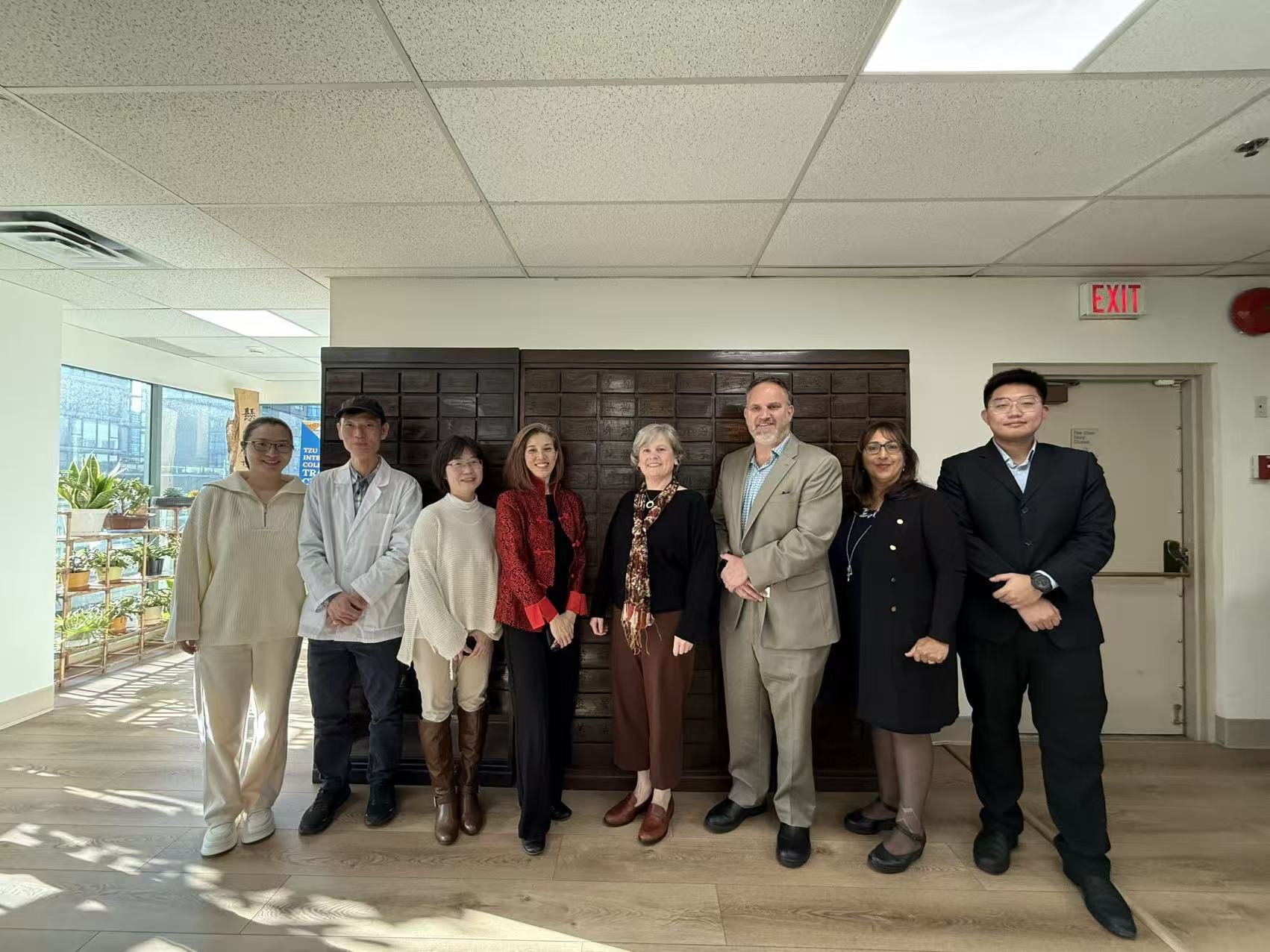
Standing Up for Patient Safety and the Future of Traditional Chinese Medicine in BC
I recently attended an important healthcare meeting in British Columbia to support patient safety and professional standards in Traditional Chinese Medicine. In this blog, I share why this issue matters to our community and to the people I care for every day.
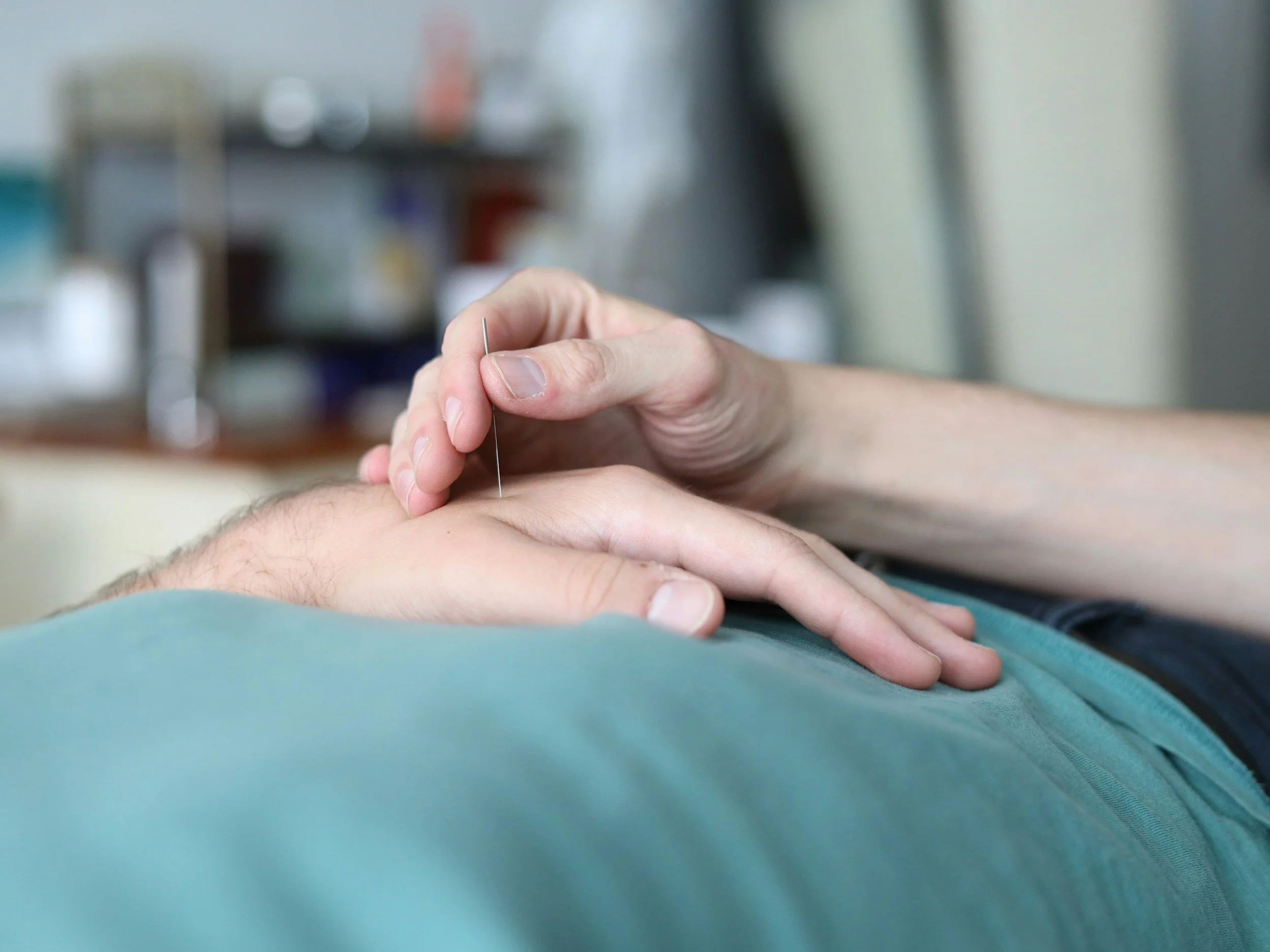
Cupping vs Acupuncture: Which One Do You Need?
Cupping therapy and acupuncture are both used in Traditional Chinese Medicine, but they work in different ways. This article explains how each approach is chosen in clinical practice and when one may be more suitable than the other.
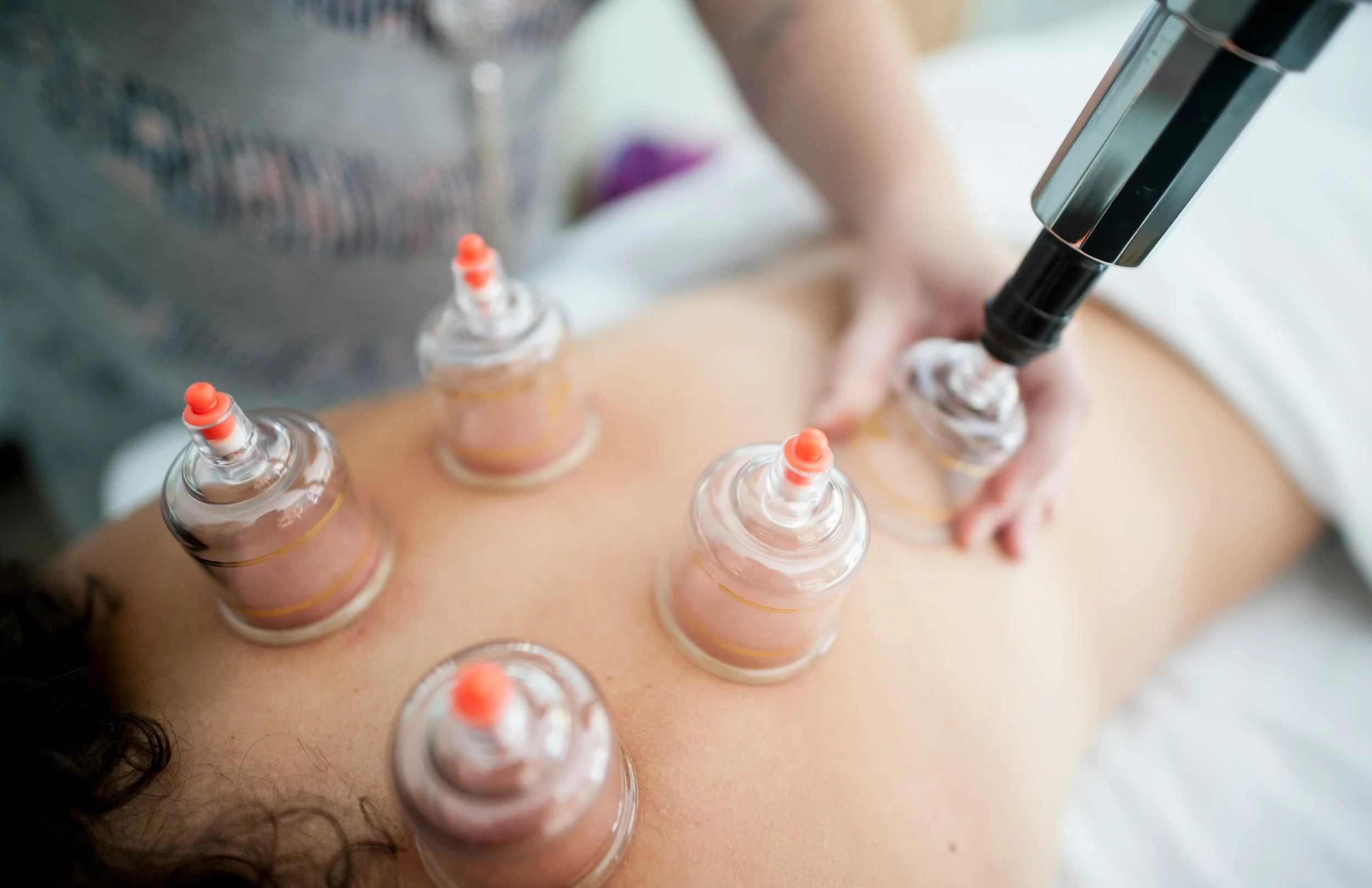
Cupping Therapy Myths Explained: What’s Really Happening and What Isn’t
Cupping therapy is often misunderstood, particularly when it comes to marks, toxins, and how the treatment works. This article explains common myths and what is actually happening during cupping therapy.

Long COVID & Eczema: How Your Immune System and Lungs Affect Skin
Many people continue to experience fatigue, brain fog, and eczema after COVID. In this blog, I share how Traditional Chinese Medicine and acupuncture can help strengthen the lungs, support immunity, and restore balance for patients in Richmond, Surrey, and across Greater Vancouver.