
Cupping for Muscle Tension, Stiffness, and Knots
If you are tight, stiff, and knotted, cupping can genuinely help, and most people feel some release after the very first session. Cupping uses suction to lift the muscle and fascia rather than press into them, which draws fresh blood into the area and gives a locked-up muscle room to let go. For established tension, a difference is often felt straight away, with the fuller benefit building over a few sessions rather than one. Relief from a single session commonly lasts several days to a week or two early on, and tends to last longer as the underlying pattern eases. Neil Dou, R.TCMP, treats muscle tension every week at his Surrey clinic, and this guide covers what cupping does for knots and stiffness, how it compares to massage, how many sessions you are likely to need, and how to hold onto the results.
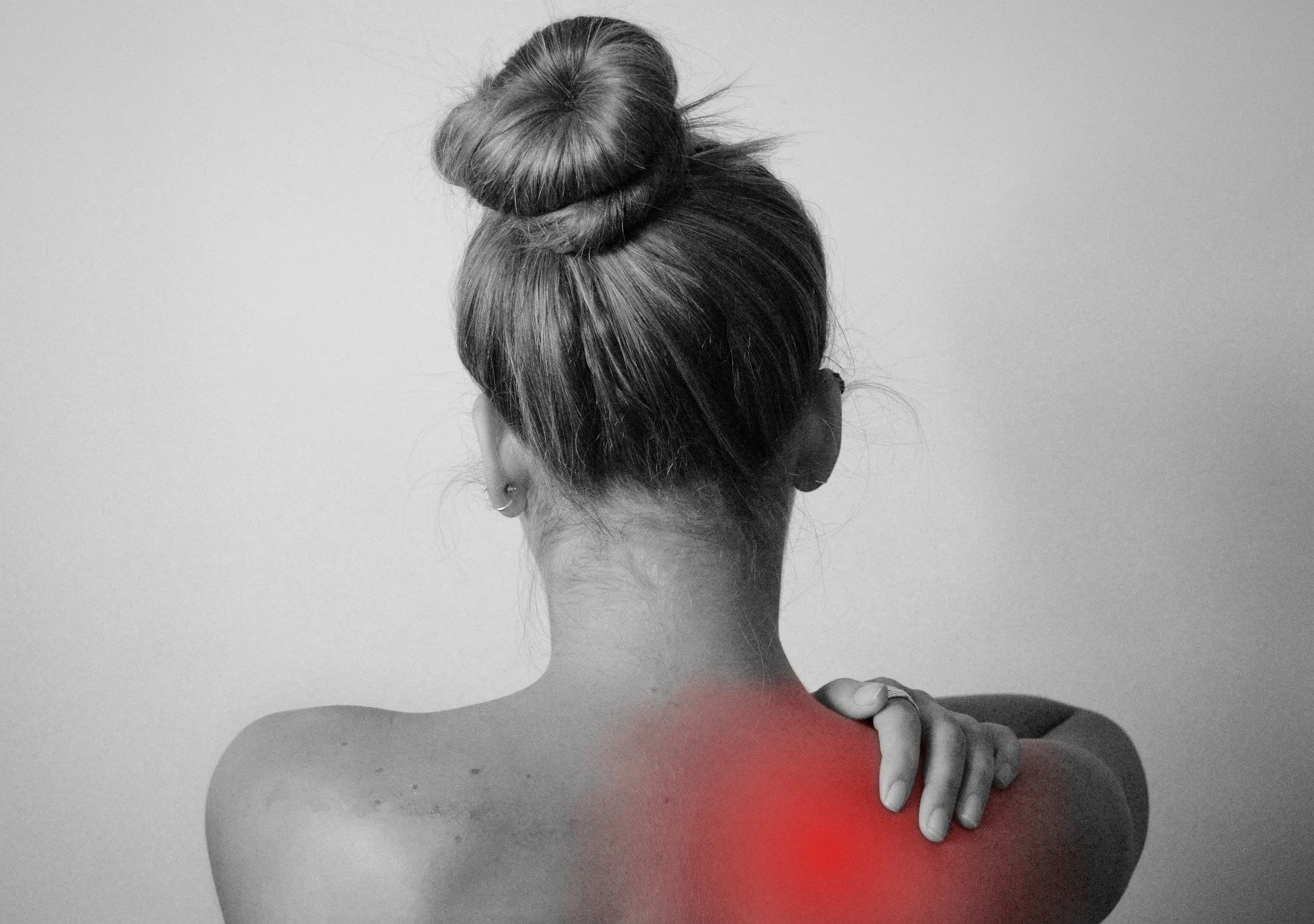
What muscle tension and knots actually are
A "knot" is usually a trigger point: a small, hyper-tight spot within a band of muscle that has stopped fully relaxing. Around it, the fascia, the connective tissue that wraps your muscles, can also tighten and lose its glide. The result is a stiff, sore, restricted area that does not release on its own, no matter how much you stretch it. This is the exact kind of localized, muscular problem that cupping is built for, and it is different from a nerve or joint problem, which needs a different approach.
How cupping releases tension differently from massage
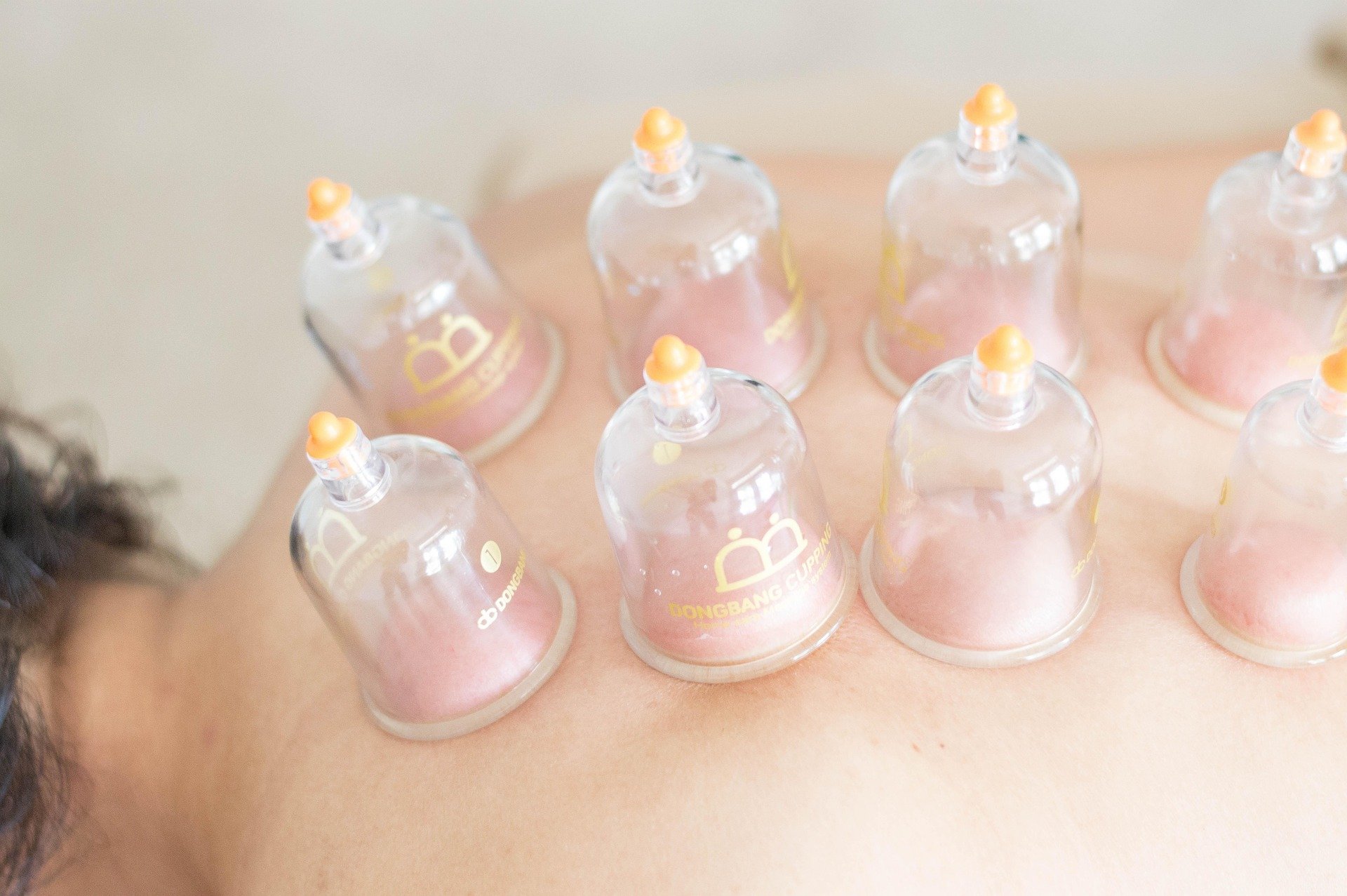
The simplest way to understand cupping is by contrast with massage. A deep-tissue massage presses down into the muscle to break up tension. Cupping does the opposite: the suction lifts the tissue upward, decompressing it and drawing circulation into the area. Neither is better in every case, and the two often work well together, but the lifting action is why cupping suits people who find deep massage too intense or who feel bruised and tender afterward. It reaches tight, congested tissue with less direct pressure while still producing real change.
One thing to expect: cupping leaves round marks where the cups sat. They are not painful, they are not the same as an impact bruise, and they usually fade within 3–7 days. Marks on the back and shoulders sit easily under a t-shirt, so they rarely get in the way of work or training. There is a full explanation in our guide to what cupping marks mean.
Where cupping helps most
Cupping is most useful in the areas that carry everyday load. The upper back, neck, and shoulders top the list, because desk work, driving, and screen time keep those muscles switched on for hours. The lower back is a close second. For athletes and active people, cupping is often used on the legs, hips, and shoulders to ease overworked muscles between training sessions. If your tightness is part of a longer-standing pain problem, cupping can also form part of a wider plan for chronic pain treatment.
How many sessions, and how long relief lasts
Most people need a short run of sessions, not just one. Many feel looser after a single visit, but for tension that has built up over months, a realistic starting point is roughly three to six sessions, spaced closer together at first and then further apart as things improve. How many you actually need depends on how long the tension has been there and your overall pattern, and stubborn knots sometimes reflect more than local tightness, which is why Neil sets the number after seeing what is going on rather than before. Relief from each session commonly lasts several days to a week or two in the beginning, and the gaps between flare-ups usually stretch out as the pattern settles. Rather than an open-ended plan, the aim is a realistic rhythm for your TCM journey, adjusted as your tension responds.
Desk workers versus athletes: two typical patterns
Two very different people book cupping for tension, and they follow different patterns. The desk worker tends to carry tight, aching upper traps, a stiff neck, and rounded shoulders from long hours at a screen, and responds well to regular, maintenance-style sessions that stop the tension rebuilding. The athlete tends to arrive with specific overworked muscle groups and a training schedule to protect, and uses cupping more tactically around heavy training and recovery. Neil adjusts the placement, the strength of the suction, and the spacing of sessions to match which pattern you fall into.
What to do between sessions
The work between visits is what makes the results last. Staying hydrated, moving gently and often rather than sitting still for hours, taking regular posture breaks if you work at a desk, and applying warmth to a tight area all help keep the muscle loose. None of this is complicated, and it is the difference between chasing the same knot every visit and slowly getting on top of it.
Frequently asked questions
-
Yes. By lifting and decompressing the tissue, cupping helps release the trigger points and tight bands that make up a knot, and draws fresh circulation into the area so it can settle.
-
Many people feel a difference after one session. For tension that has built up over time, a short run of a few sessions, often around three to six, works better, spaced closer together at first. Neil will suggest a realistic number based on your assessment.
-
Yes. The shoulders and upper back are the most common areas treated, because desk work and screen time keep them tight. Cupping is well suited to that localized stiffness.
-
Neither is simply better. Massage presses into the muscle, while cupping lifts and decompresses it, so they work differently and often complement each other. Cupping tends to suit people who find deep massage too intense.
-
Relief from a single session commonly lasts several days to a week or two early on. As the underlying tension eases over a few sessions, the periods of relief usually get longer.

Neil Dou, R.TCMP & R.Ac
Experienced & Trusted TCM Care
Registered Traditional Chinese Medicine Practitioner & Registered Acupuncturist in BC with extensive clinical experience in both China and Canada.
Serving Richmond, Surrey & Greater Vancouver
Provides personalized acupuncture treatments and home visits across Richmond, Surrey, and Burnaby, recognized for effective care and positive patient feedback.
Proven Results With a Holistic Approach
With over 7,000 successful treatments, care focuses on pain relief, internal medicine, and long term healing through a holistic approach that combines acupuncture, food therapy, cupping, gua sha, and lifestyle guidance.
