
Cupping vs Acupuncture: Which One Do You Need?
The short answer: acupuncture uses very fine needles to calm the nervous system and rebalance the whole body, while cupping therapy uses suction to lift tissue, increase local blood flow, and release tight muscles. If your problem is a knotted, localized area such as a stiff back or tight shoulders, cupping is often the better place to start. If your problem is more widespread, or tied to stress, sleep, or a long-standing pattern, acupuncture usually fits better. You do not always have to choose one: Neil Dou, R.TCMP, often combines both in a single session at his Surrey clinic. This guide walks through how they differ, how each one feels, which suits which problem, and why they frequently work best together.
The quick answer: needles versus suction
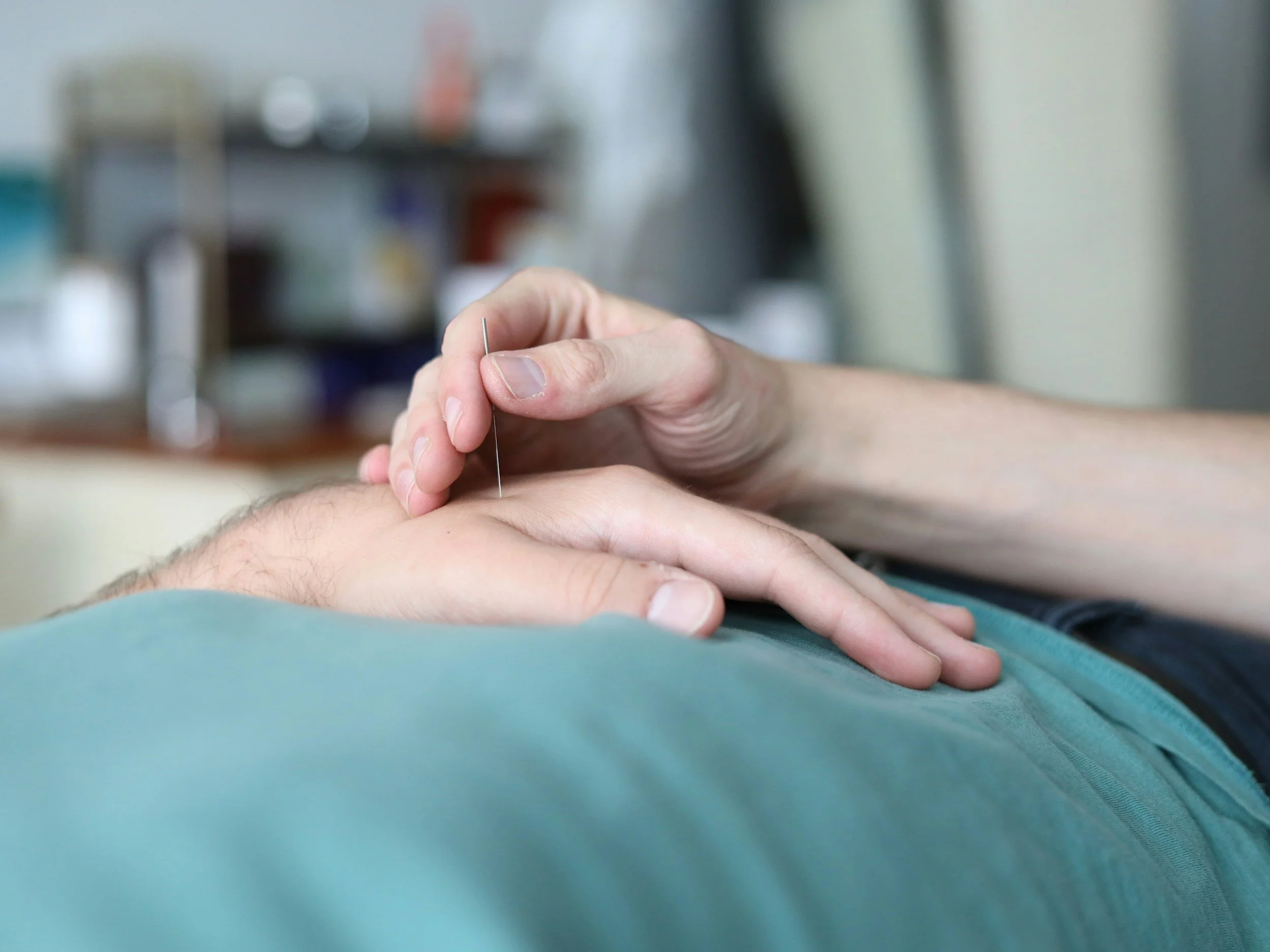
Acupuncture works by placing very fine needles at specific points to regulate the nervous system and the flow of Qi, which is why it is used for whole-body concerns as much as for pain. Cupping works from the outside in: cups create gentle suction that lifts the skin and fascia, draws fresh blood into the area, and releases muscular tension, which is why it is used for tight, localized problems. In Traditional Chinese Medicine terms, acupuncture moves Qi and Blood through the channels to rebalance the system, while cupping draws stagnant Blood and tension out of one specific area, so the two treatments approach the same problem from different directions.
Acupuncture
Method: Very fine needles inserted at specific points
Main aim: Regulate the whole body and calm the nervous system
Best for: Stress, sleep, systemic concerns, or shifting issues
How it feels: A small pinch, then a dull, heavy ache
After-effects: Usually none
Cupping therapy
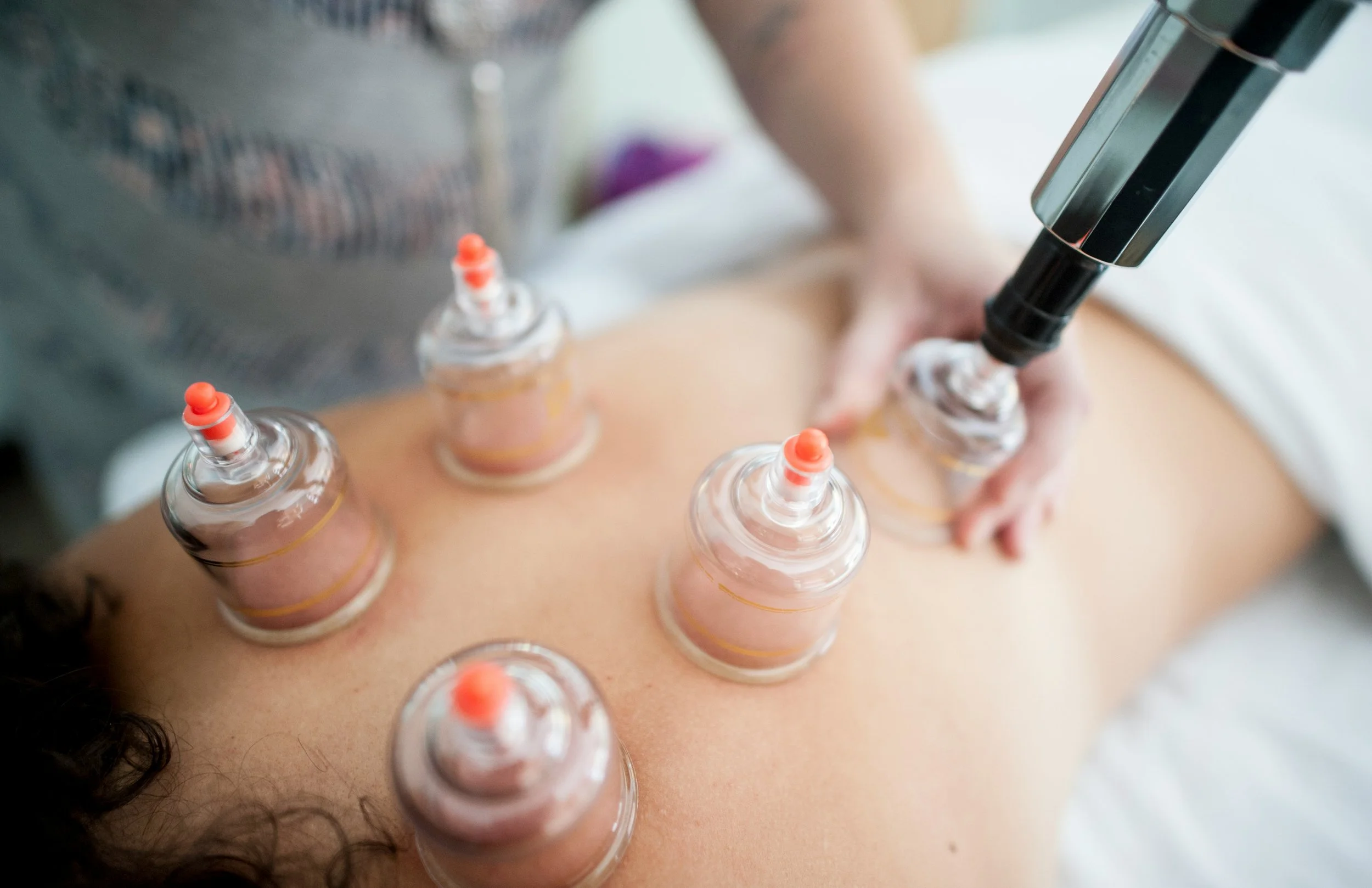
Method: Suction cups placed on the skin
Main aim: Release local muscle tension and boost circulation
Best for: Tight, knotted muscles; back and shoulders; sports recovery
How it feels: A firm pulling or tightness under the cup
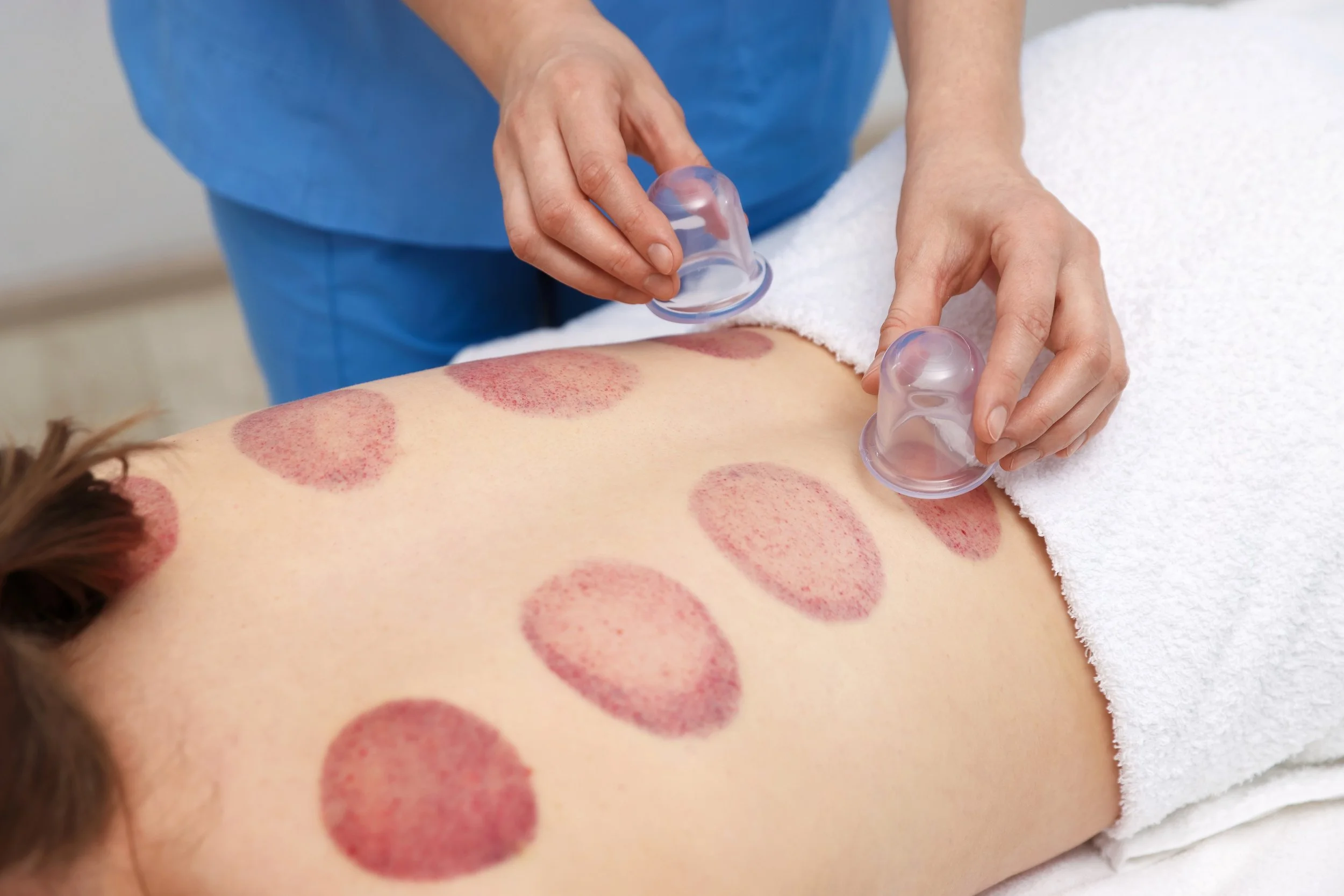
After-effects: Round marks that fade in 3–7 days
How each one feels, and what a session looks like
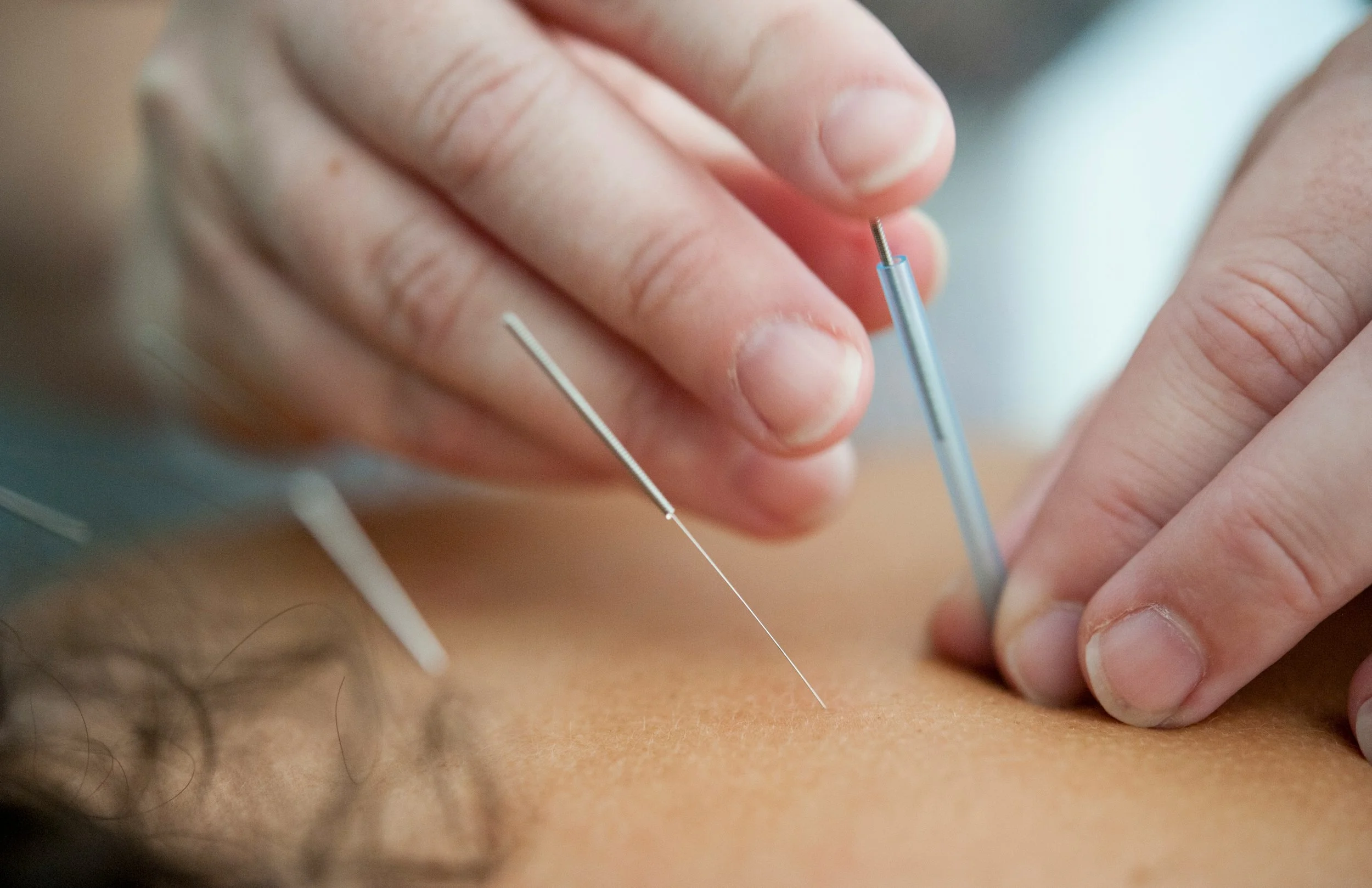
An acupuncture session starts with a short assessment, then Neil places the needles and leaves you to rest for around 20 to 30 minutes. Most people feel only a small pinch on insertion, followed by a dull, heavy, or warm sensation, and there is nothing visible afterward. A cupping session is quicker and more physical. The cups are placed on the area and left in place, or glided across the muscle, for roughly 5 to 15 minutes. You feel a firm pulling or tightness while the cups are on, and the treatment leaves round marks that fade over 3 to 7 days. Neither treatment is usually painful, and both have very little downtime. If you want the full picture on what cupping does, read more on the benefits of cupping.
When to choose cupping, acupuncture, or both
The right choice depends far more on your problem than on which treatment is "stronger." Choose cupping first for tight, aching muscles you can point to: a stiff upper back, locked shoulders, or sore legs after training. Cupping is also a natural fit for sports recovery and stubborn knots, because it targets circulation and tension in one specific area. Choose acupuncture first for concerns that are widespread, that shift around, or that sit below the surface: stress, poor sleep, low mood, headaches, digestive complaints, or pain that keeps returning without an obvious muscular cause.
For many back and shoulder problems, the honest answer is that both help, which is exactly why Neil often uses them together rather than choosing one. A common example is a desk worker whose tight lower back also disrupts their sleep: here Neil might use cupping to release the muscle directly and acupuncture to settle the sleep and stress side. That kind of overlapping picture, which long desk hours, physical trades, and damp West Coast winters all tend to feed across Surrey and the Fraser Valley, is exactly when combining the two makes the most sense. If you are not sure which category you fall into, a short consult sorts it out.
Can you have cupping and acupuncture together?
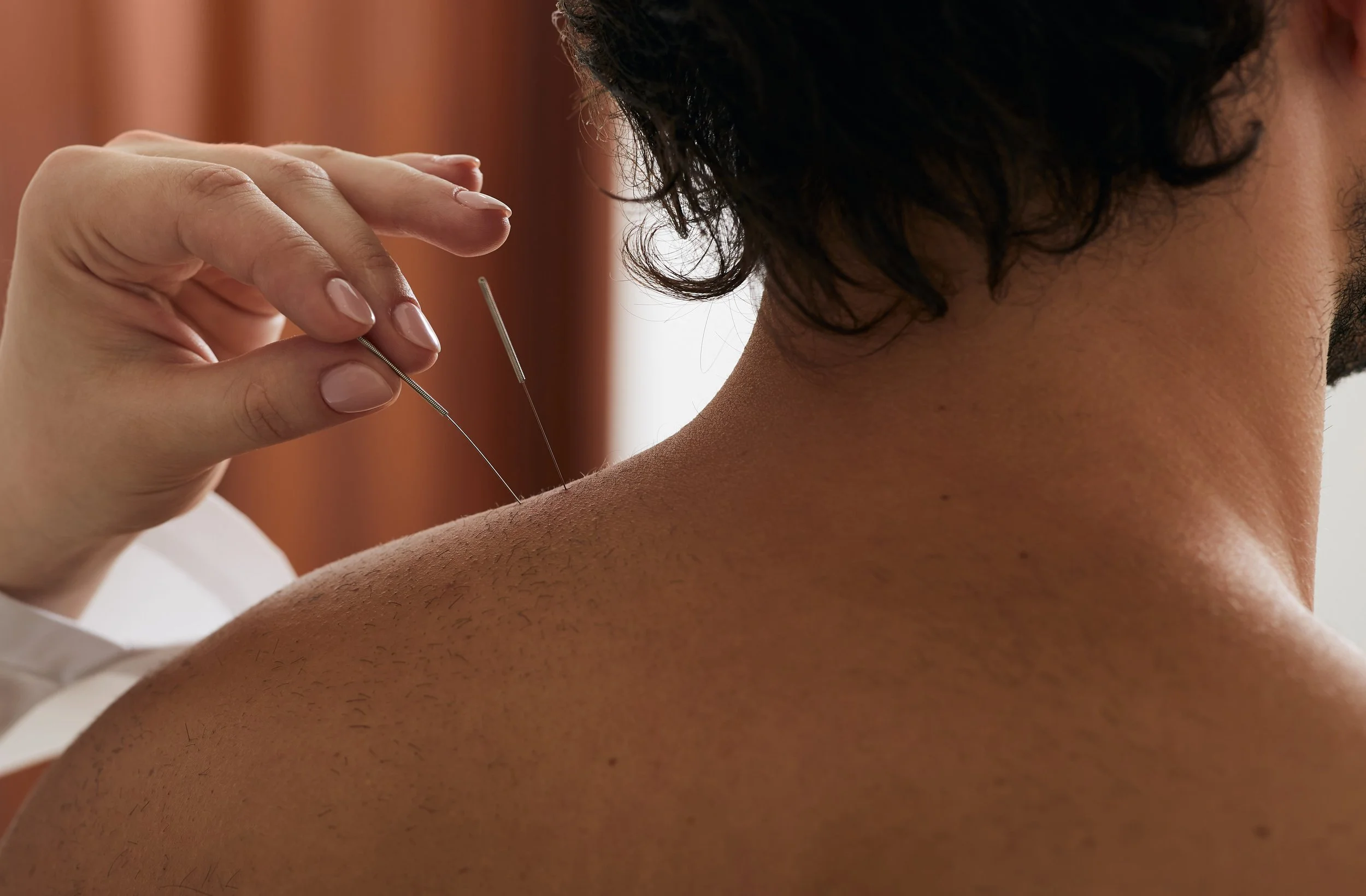
Yes, and it happens often. Combining them in a single visit is common in Traditional Chinese Medicine, and a typical sequence is acupuncture first to settle the nervous system, followed by cupping to release the tight muscle tension that is left. Which one leads, and whether both are used at all, depends on what Neil finds during your assessment. Having treated more than 7,000 patients across Surrey and Greater Vancouver, he tends to match the approach to the person in front of him rather than applying a fixed formula.
Cost, insurance, and your first visit
On a first visit, Neil starts with a short assessment and then recommends the approach that fits your goals, whether that is acupuncture, cupping, or both. A free 15-minute consultation is available if you would rather talk it through before booking. On coverage, many extended health plans include acupuncture and Traditional Chinese Medicine treatments, and the clinic can tell you what applies to your specific plan and whether direct billing is available. It is worth having your plan details handy so this can be confirmed for you before your first session.
Frequently Asked Questions
-
Acupuncture uses fine needles at specific points to regulate the nervous system and the whole body. Cupping uses suction on the skin to lift tissue, increase local blood flow, and release tight muscles. One works from the inside out, the other from the outside in.
-
For tight, localized back and shoulder tension, cupping is often the better starting point because it releases the muscle directly. For back pain that is long-standing, shifting, or nerve-related, acupuncture usually fits better. In practice the two are frequently combined.
-
Yes. They are often used in the same session, and combining them is common in Traditional Chinese Medicine. Neil decides based on your assessment.
-
When both are used, acupuncture usually comes first to settle the system, followed by cupping to release the remaining muscular tension. The order can change depending on your case.
-
Neither is usually painful. Acupuncture is a small pinch on insertion, then a dull or heavy feeling. Cupping is a firm pulling sensation while the cups are on, and it leaves temporary marks.

Neil Dou, R.TCMP & R.Ac
Experienced & Trusted TCM Care
Registered Traditional Chinese Medicine Practitioner & Registered Acupuncturist in BC with extensive clinical experience in both China and Canada.
Serving Richmond, Surrey & Greater Vancouver
Provides personalized acupuncture treatments and home visits across Richmond, Surrey, and Burnaby, recognized for effective care and positive patient feedback.
Proven Results With a Holistic Approach
With over 7,000 successful treatments, care focuses on pain relief, internal medicine, and long term healing through a holistic approach that combines acupuncture, food therapy, cupping, gua sha, and lifestyle guidance.
