
Cupping Therapy for Stress and Recovery
Cupping therapy supports stress recovery by reducing muscle guarding and shifting the nervous system toward parasympathetic, rest-and-recover activity, rather than removing external stressors directly. Neil Dou, R.TCMP & R.Ac, treats stress-related tension patterns at his Richmond, Surrey, and Greater Vancouver clinics.
Stress rarely stays in the mind alone. Many people notice the tension in their shoulders long before they recognise how stressed they have become.
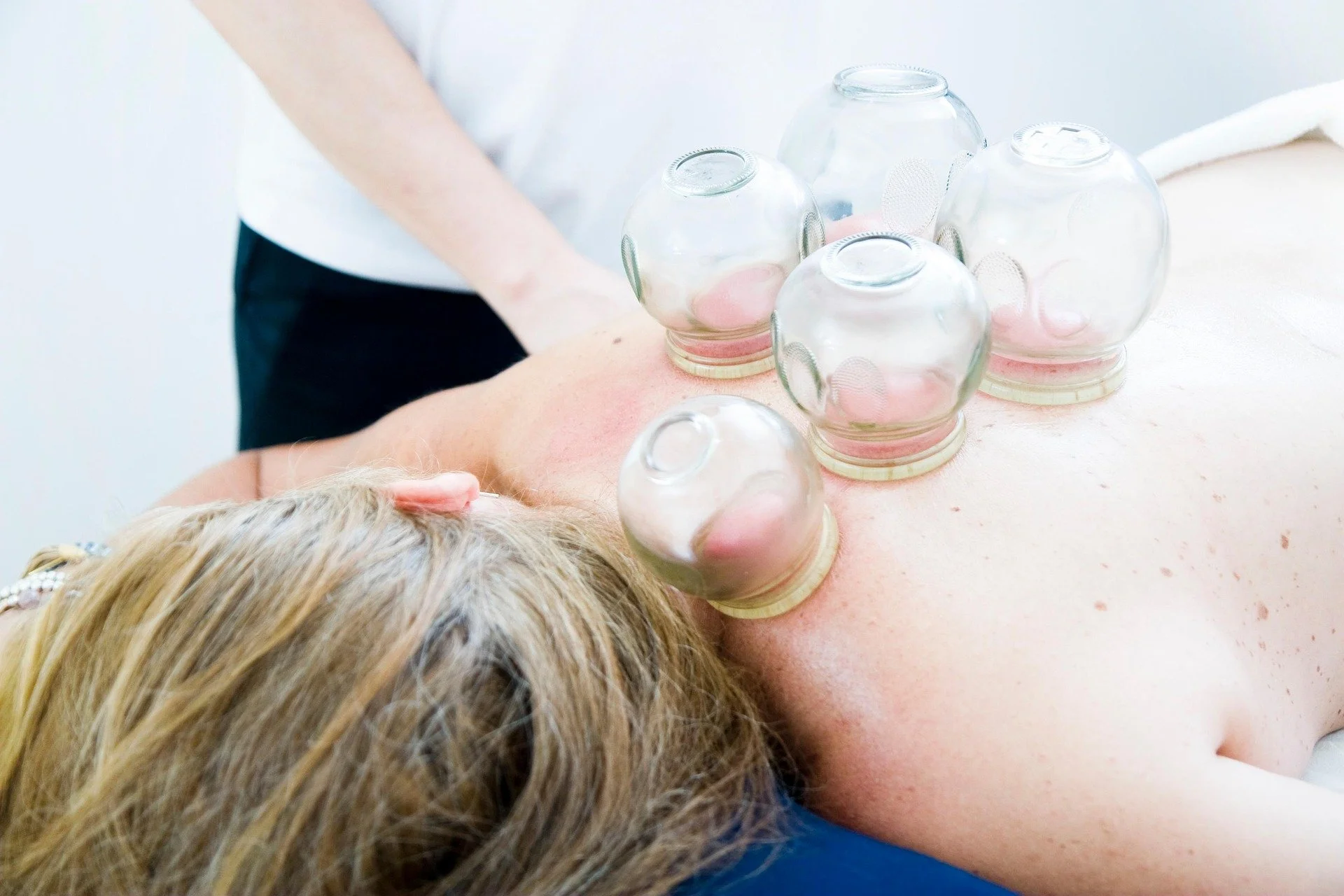
Cupping therapy is a suction-based manual treatment that supports stress recovery by reducing muscle guarding, improving circulation, and influencing nervous system regulation. It works through physical changes in tissue and sensory input that help the body shift out of prolonged activation.
When stress becomes ongoing, recovery depends on restoring balance in the nervous system, not simply reducing workload.
Does Cupping Therapy Help With Stress?
Cupping does not remove external stressors. It addresses the body’s physical response to stress.
By altering local circulation and reducing muscular holding patterns, cupping supports a shift toward parasympathetic activity, the part of the nervous system responsible for rest and recovery.
Many people notice:
Reduced shoulder and upper back tension
Easier breathing
A sense of physical grounding
Improved ability to relax
These changes support broader stress management strategies rather than replace them.
How Stress Affects the Body
Stress activates the sympathetic nervous system, the body’s alert response.
In short bursts, this response is protective. When sustained, it creates persistent activation.
Physical effects often include:
Ongoing neck and shoulder tightness
Shallow upper-chest breathing
Headaches
Digestive disturbance
Fatigue despite adequate sleep
Increased sensitivity to discomfort
In these situations, the body is not injured. It is overstimulated.
Chronic muscle guarding and restricted breathing gradually reduce the body’s ability to recover between periods of demand.
How Cupping Therapy Supports Nervous System Regulation
Cupping creates controlled suction that lifts skin and underlying fascia. This decompressive effect:
Increases local blood circulation
Reduces muscle guarding
Improves fascial glide
Encourages diaphragmatic breathing
Provides sensory input that influences autonomic balance
The parasympathetic nervous system governs rest, digestion, and recovery. When this system activates more effectively, the body moves out of sustained tension and into a more regulated state.
The aim is not sedation. It is improved regulation.
Cupping Therapy and Sleep Quality
Stress-related muscle tension frequently disrupts sleep.
When the nervous system remains partially activated, sleep becomes lighter and less restorative. As physical tension reduces, many people report:
Falling asleep more easily
Fewer overnight awakenings
Deeper breathing
Less stiffness on waking
Sleep improvement is not forced. It often follows when physical holding patterns ease.
Cupping and Acupuncture for Stress
Cupping and acupuncture are both used within Traditional Chinese Medicine, but they influence the body differently.
Cupping acts broadly on tissue restriction and circulation.
Acupuncture stimulates specific points that influence systemic regulation patterns.
In stress-related presentations, cupping often addresses the physical tension patterns, while acupuncture supports deeper autonomic regulation. When clinically appropriate, they complement each other rather than compete.
When Cupping Therapy Is Most Appropriate
Cupping therapy is most appropriate when stress presents physically as:
Persistent upper back or shoulder tightness
Physical restlessness
Postural tension
Stress-aggravated repetitive strain
Breathing restriction linked to muscular holding
It is not a substitute for psychological therapy when stress is severe, trauma-related, or associated with panic symptoms. Careful assessment ensures the approach matches the presentation.
What to Expect After Treatment
During treatment, suction creates a pulling sensation. Tight areas can feel strong but should not feel sharply painful.
After treatment, people commonly experience:
Reduced muscular tension
Warmth in treated areas
Mild fatigue as the nervous system settles
Temporary circular marks that fade within several days
If symptoms intensify rather than improve, reassessment allows the treatment plan to be refined.
Stress is often experienced physically before it is recognised mentally. Addressing the body’s response can make recovery feel more achievable.
Cupping therapy does not eliminate stress, but it supports the body’s ability to shift out of sustained tension and toward balance. When combined with appropriate movement, sleep support, and stress management strategies, it becomes part of a structured recovery process.
Careful assessment clarifies what your body is holding onto. Treatment is then tailored to support regulation and long-term recovery, not simply temporary relief.

Neil Dou, R.TCMP & R.Ac
Experienced & Trusted TCM Care
Registered Traditional Chinese Medicine Practitioner & Registered Acupuncturist in BC with extensive clinical experience in both China and Canada.
Serving Richmond, Surrey & Greater Vancouver
Provides personalized acupuncture treatments and home visits across Richmond, Surrey, and Burnaby, recognized for effective care and positive patient feedback.
Proven Results With a Holistic Approach
With over 7,000 successful treatments, care focuses on pain relief, internal medicine, and long term healing through a holistic approach that combines acupuncture, food therapy, cupping, gua sha, and lifestyle guidance.
