
What Cupping Marks Mean: Colours, Bruising, and How Long They Last
Cupping marks are temporary circular discolourations caused by suction drawing blood to the skin's surface, not bruises from impact. Neil Dou, R.TCMP, treats patients across Surrey and Greater Vancouver and typically sees marks fade within three to seven days, occasionally up to ten for darker marks.
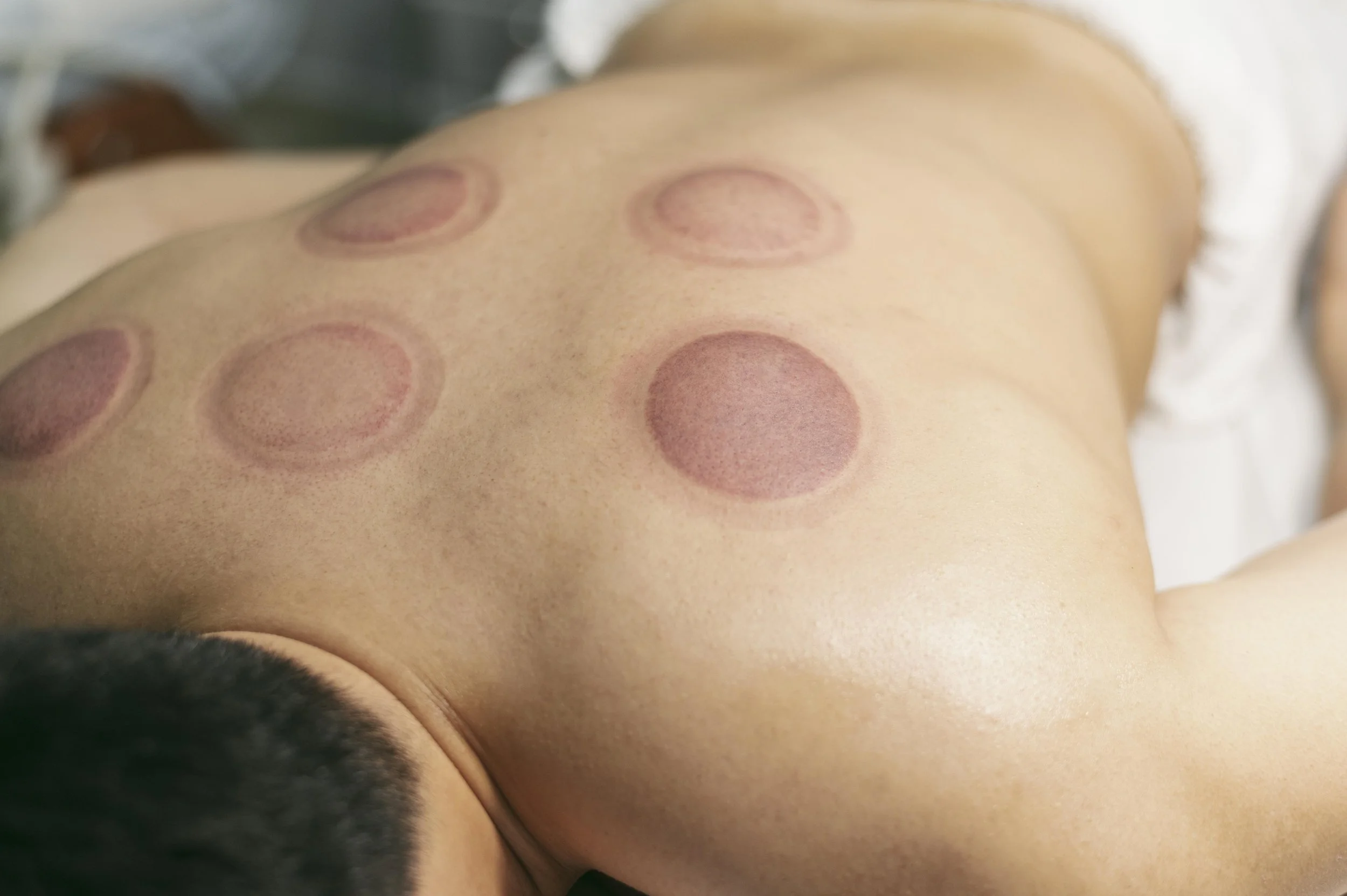
If you have circular marks after a cupping session, they are normal, and they are not a sign of injury. Cupping marks are areas of discolouration left when gentle suction draws blood toward the surface of the skin. They are a normal, controlled response to suction, not the tissue damage you get from a knock or a fall, and they are usually painless to the touch. Most cupping marks fade within 3–7 days, and occasionally up to 10. The colour, from light pink through to dark purple, reflects your circulation and muscle tension on the day, not how unwell you are and not how many "toxins" were released. Neil Dou, R.TCMP, treats patients across Surrey and Greater Vancouver, and this guide explains exactly what your marks mean, how long they last, and when, if ever, a mark is worth checking.
What cupping marks actually are
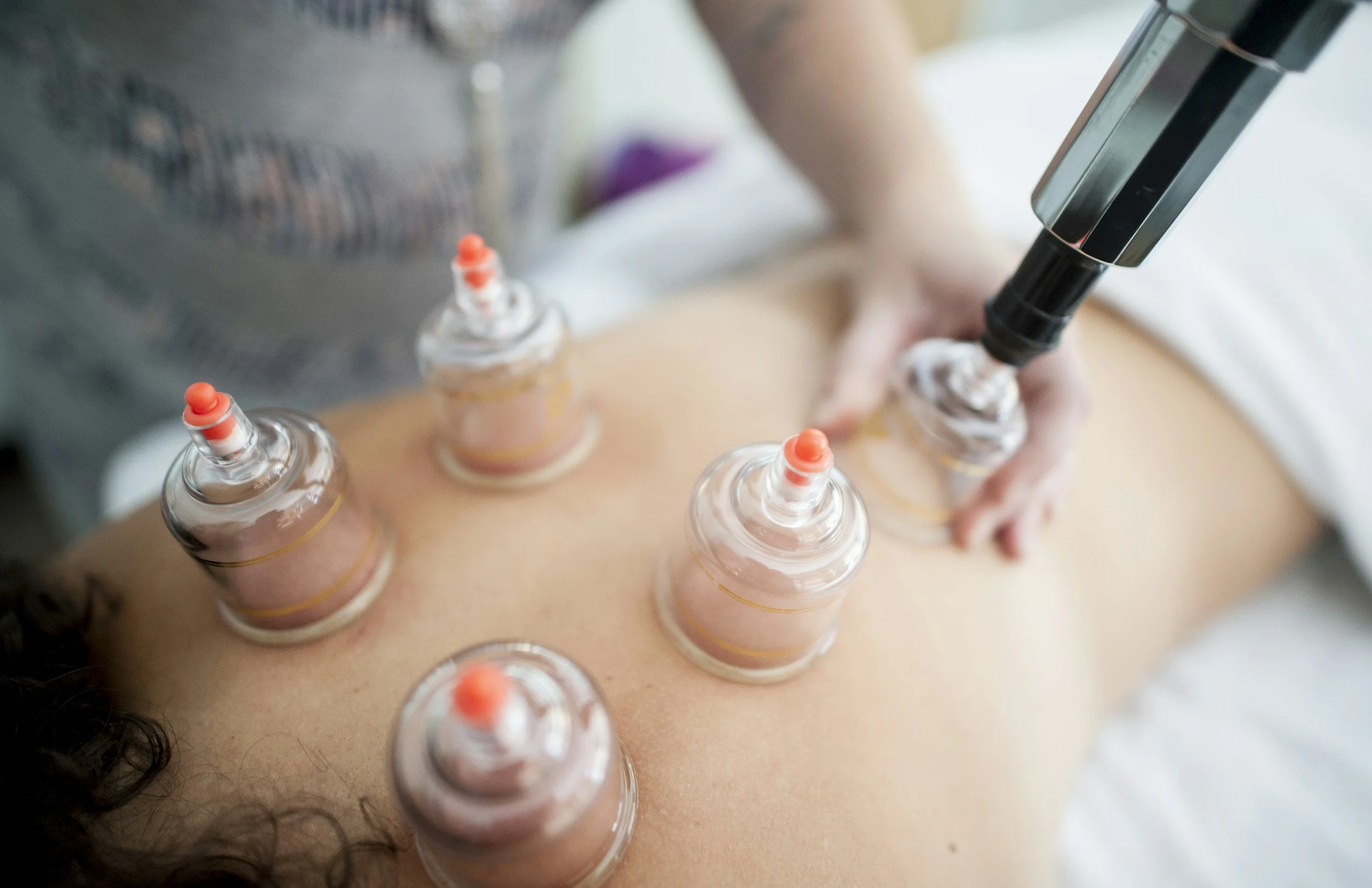
During cupping, a cup creates negative pressure that lifts the skin and the soft tissue beneath it. That gentle vacuum draws blood toward the surface, and a few tiny surface capillaries release a small amount of blood just under the skin, which is what you see as the familiar round mark. This is a controlled, expected response rather than an injury, and your body reabsorbs it over the following days. Because the mark comes from these small surface vessels, anyone who bruises easily or takes blood thinners will tend to mark more, and for longer.
In Traditional Chinese Medicine this surfacing is called "sha." In practical terms, the mark is your circulation responding as tension and stagnation are released, rather than a wound left behind. Marks like these are a normal part of cupping therapy in Surrey, and they look very different from the after-effects of needles, so if you are choosing between treatments it helps to understand how cupping compares to acupuncture. A bruise from daily life is caused by blunt impact that damages tissue, so it is usually tender. A cupping mark is caused by controlled suction with no impact at all, so most people feel little or nothing when they press on it. For most people the marks do not hurt when clothing rubs over them, and marks on the back or shoulders sit easily under a t-shirt. The treated area itself can feel slightly tender or tight for a day or so, much like the feeling after a workout.
What the colours mean: light pink through dark purple
Light pink or pale red
Indicates good circulation, mild tension, or a lighter first session.Bright red
Points to more heat or a recent, active strain in the area.Dark red to purple
Reflects longer-standing tension and slower local circulation.Very dark purple or grey
Suggests significant, long-held tension in that region.
The colour also depends on how strong the suction was, how long the cups stayed on, the area treated, your hydration, your skin, and how easily you tend to bruise. A darker mark does not mean the treatment worked better, and it does not mean something harmful left your body. Over the course of your TCM journey, the same areas often produce lighter marks as circulation improves.
How long do cupping marks last?
Most cupping marks last 3–7 days. Darker marks, or the marks from a first session, can take up to 10 days to clear fully.
Light pink or red
Typically fades within 1–3 days.
Solid red
Usually clears within 3–5 days.
Dark red to purple
Can take 5–7 days to fade.
Very dark purple
May take 7–10 days to clear fully.
How quickly a mark fades depends on your circulation, hydration, age, the area treated, and how dark it was to begin with. Marks from facial cupping are far lighter and usually settle within hours to a day or two, because the technique is much gentler than body cupping.
What helps marks fade faster, and what to avoid
Cupping marks clear on their own, so the goal is simply to support your body's normal process. Drink plenty of water, keep the area warm and covered, and stay lightly active so circulation keeps moving. Straight after a session, it is worth avoiding vigorous rubbing or scrubbing over the area, very hot baths, saunas, or hot tubs, sudden ice-cold exposure, strenuous exercise, and alcohol. It is also best not to have the same spot cupped again until the marks have cleared.
Are cupping marks ever permanent? When a mark is worth checking
Standard dry cupping does not leave permanent marks. The discolouration is temporary and clears completely as your body reabsorbs the surfaced blood. A cupping mark is worth checking with a practitioner or your doctor if it blisters or breaks the skin, if it is painful or hot rather than painless, if it keeps spreading, itches with a rash, swells, shows any sign of infection, or has not faded after about two weeks. If you take blood thinners, have a bleeding disorder, or have very delicate skin, let your practitioner know so the technique can be adjusted.
Frequently asked questions
-
Most cupping marks last 3–7 days. Darker or first-session marks can take up to 10 days to fade fully. Lighter pink marks often clear within 1–3 days.
-
Colour depends partly on the tension and circulation in the area, and partly on technique factors such as suction strength and how long the cups stayed on, plus how easily you personally bruise. A darker mark is not a sign of a stronger or better treatment.
-
In TCM terms, a darker mark can point to longer-standing tension and slower circulation in that spot. It does not mean more "toxins" were removed, and it does not mean you are more unwell.
-
Not in the everyday sense. A bruise comes from impact that damages tissue and is usually tender. A cupping mark is a surface capillary response to suction, with no impact, and it is usually painless.
-
No. Standard cupping does not leave permanent marks. The discolouration is temporary and fades completely, normally within 3–10 days.
-
Time is the main factor, but you can support fading by staying hydrated, keeping the area warm, and moving gently. Avoid scrubbing the area, intense heat, and alcohol straight after your session. There is no way to erase a mark instantly, and that is normal.

Neil Dou, R.TCMP & R.Ac
Experienced & Trusted TCM Care
Registered Traditional Chinese Medicine Practitioner & Registered Acupuncturist in BC with extensive clinical experience in both China and Canada.
Serving Richmond, Surrey & Greater Vancouver
Provides personalized acupuncture treatments and home visits across Richmond, Surrey, and Burnaby, recognized for effective care and positive patient feedback.
Proven Results With a Holistic Approach
With over 7,000 successful treatments, care focuses on pain relief, internal medicine, and long term healing through a holistic approach that combines acupuncture, food therapy, cupping, gua sha, and lifestyle guidance.
