
Acupuncture for Injuries: How It Supports Recovery and Healing
Acupuncture supports weight management by improving digestion and metabolism and by calming stress-driven cravings and emotional eating, rather than acting as a direct weight-loss treatment. Neil Dou, a TCM Practitioner in Richmond and Surrey, tailors treatment to whichever of these factors is driving a patient's presentation.
Acupuncture supports injury recovery by reducing pain sensitivity and excessive muscle guarding, allowing patients to engage more comfortably in rehabilitation. Neil Dou draws on research published in Stem Cells Translational Medicine examining how acupuncture point stimulation may support the body's tissue-repair processes alongside conventional care.
Injury recovery is rarely just about damaged tissue. Pain, stiffness, altered movement, and hesitation to load the body often persist even after the initial injury has technically healed.
For many people, the challenge is not whether healing occurred but whether the body has fully regained comfort, coordination, and confidence. This is where acupuncture for injuries is commonly used as part of a broader recovery process.
Rather than overriding symptoms, acupuncture aims to support the conditions that allow healing and functional recovery to progress more smoothly.
Where Acupuncture Fits in Injury Recovery
Acupuncture is not a replacement for rest, rehabilitation, or medical care. Its role is typically supportive.
In injury recovery, acupuncture is used to help regulate pain, reduce unnecessary muscle guarding, and improve how the nervous system and muscles respond during movement.
In practical terms, this can make recovery feel less restricted and more tolerable especially when pain or stiffness lingers beyond the expected healing phase.
How Acupuncture Supports the Healing Process
After an injury, the body often maintains protective patterns such as:
Increased muscle tension
Heightened pain sensitivity
Reduced movement variability
These responses are helpful early on but can become limiting if they persist.
Acupuncture may help by:
Modulating pain signals
Encouraging circulation to affected areas
Reducing excessive protective muscle activity
Supporting smoother, more coordinated movement
Treatment is adapted based on how recent the injury is and how the body is responding over time.
In recent years, researchers have explored how acupuncture may influence recovery through measurable biological pathways. Experimental and early clinical research has examined how acupuncture and electroacupuncture can affect nervous system signalling, circulation, and cellular responses involved in tissue repair.
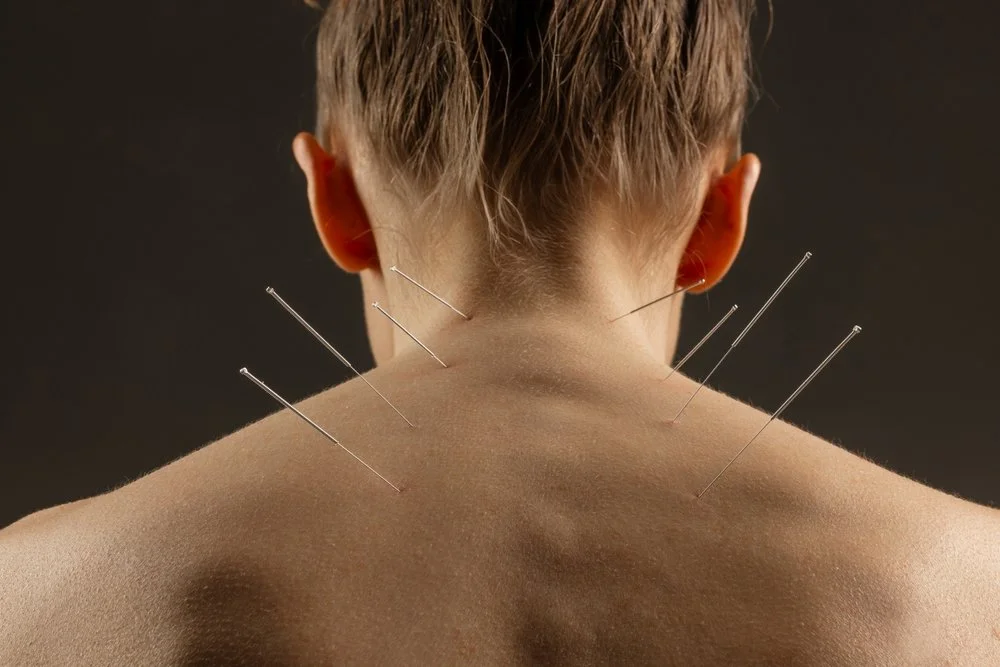
For example, research published in Stem Cells Translational Medicine has investigated how stimulation at specific acupuncture points may be associated with mobilisation of stem and progenitor cells involved in repair processes. While this research does not suggest acupuncture replaces medical treatment, it helps clarify how acupuncture may support recovery alongside rehabilitation and conventional care.
Source: China Medical University – Stem Cells Translational Medicine
Acute Injuries vs Long-Standing Injuries
The way acupuncture is used differs depending on the stage of recovery.
Early or acute injuries
The focus is often on:
Settling pain and swelling
Supporting early tissue recovery
Reducing excessive guarding or compensation
Ongoing or recurring injuries
Treatment more commonly aims to:
Address lingering stiffness or weakness
Improve recovery between activity
Reduce strain on surrounding tissues
In both cases, the goal is not just symptom relief, but supporting more sustainable movement patterns.
Injuries Commonly Treated With Acupuncture
Acupuncture is often used alongside other care for injuries such as:
Muscle strains and ligament sprains
Tendon irritation or overload
Repetitive strain and overuse injuries
Joint pain with reduced mobility
Sports and activity-related muscle injuries
Many people seek acupuncture once pain has improved but movement, strength, or confidence has not fully returned.
Managing Pain Without Slowing Recovery
Pain plays a role in protecting injured tissue, but persistent pain can interfere with rehabilitation and movement confidence.
Acupuncture may help reduce pain sensitivity without suppressing the body’s natural healing response. In practice, this often allows people to:
Move with less apprehension
Engage more comfortably in rehabilitation exercises
Resume activity more gradually and confidently
This balance is particularly important during the later stages of recovery.
Soft Tissue Injuries and Lingering Tightness
Muscle and tendon injuries often involve ongoing tightness, reduced circulation, or altered movement patterns even after tissue healing.
Acupuncture may support recovery by:
Reducing persistent muscle tension
Improving tissue responsiveness to load
Supporting recovery after physical activity
This can be especially useful when soreness or stiffness outlasts expected timelines.
Using Acupuncture Alongside Other Treatments
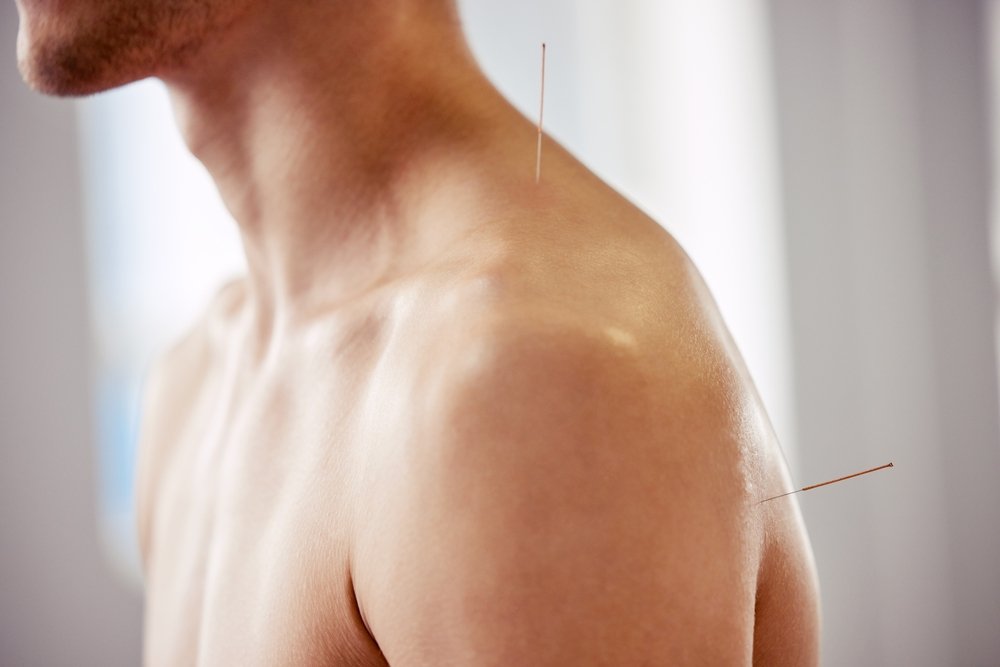
Acupuncture for injuries is most often used as part of a combined approach. It may sit alongside:
Physiotherapy or structured rehabilitation
Manual therapy
Load management and activity modification
Rather than replacing these approaches, acupuncture often helps make movement and recovery easier to tolerate.
This is particularly relevant for people returning to sport or regular training, where recovery capacity matters as much as tissue healing.
How Long Before Results Are Noticed?
Response varies depending on:
The type and severity of the injury
How long symptoms have been present
Overall health, sleep, and recovery capacity
Some people notice changes within a few sessions. Others benefit from a longer course of care. Progress is best assessed over time, not after a single treatment.
When It’s Time to Reassess
Reassessment is appropriate if:
Pain does not improve over time
Movement remains restricted
Symptoms worsen rather than stabilize
Adjusting treatment is part of appropriate care and helps ensure recovery stays on track.
Final Thoughts
Acupuncture for injuries is not about forcing recovery or bypassing the body’s healing process. Its role is to support the body as it repairs, adapts, and returns to function.
When used thoughtfully and alongside appropriate care, acupuncture can help reduce pain, improve movement quality, and support more resilient recovery especially when progress has plateaued.

Neil Dou, R.TCMP & R.Ac
Experienced & Trusted TCM Care
Registered Traditional Chinese Medicine Practitioner & Registered Acupuncturist in BC with extensive clinical experience in both China and Canada.
Serving Richmond, Surrey & Greater Vancouver
Provides personalized acupuncture treatments and home visits across Richmond, Surrey, and Burnaby, recognized for effective care and positive patient feedback.
Proven Results With a Holistic Approach
With over 7,000 successful treatments, care focuses on pain relief, internal medicine, and long term healing through a holistic approach that combines acupuncture, food therapy, cupping, gua sha, and lifestyle guidance.
