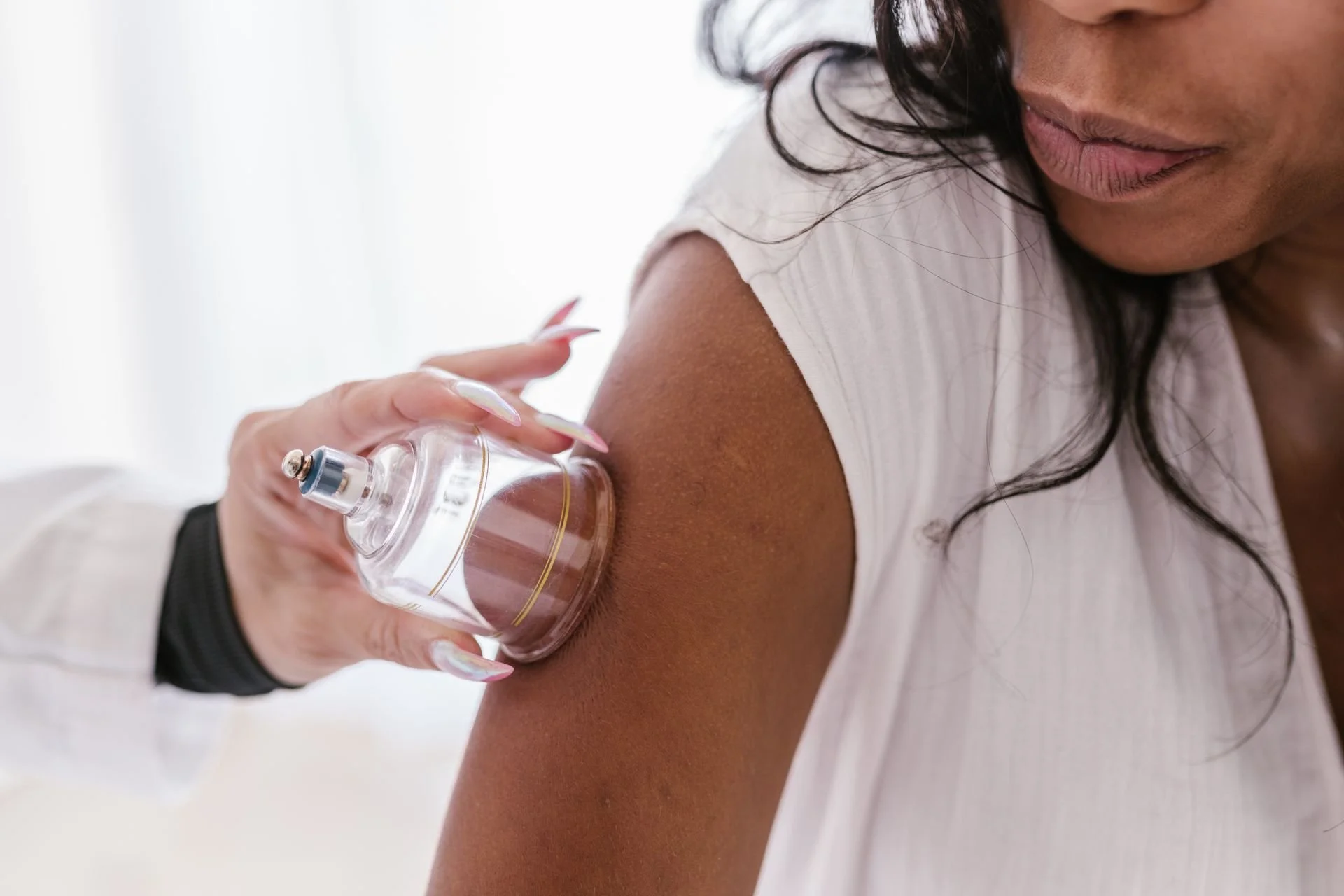
Stationary cupping should not hurt. Most people describe a tight, pulling, or squeezing sensation as the cup draws the skin upward, and some feel mild tenderness in the treated area for a day or two afterward, similar to the soreness after a deep massage. Moving (sliding) cupping over very tight muscles is the exception: it can feel intense, more like a strong stretch or scraping pull, but it should always stay within what you can comfortably tolerate. Sharp pain or pain that keeps building is a signal to speak up straight away so the suction can be reduced or the cup removed.
The marks are what make cupping look painful. A back covered in dark circles suggests something dramatic happened, but the marks themselves are rarely sore.
What Most People Get Wrong About Cupping Pain
They judge the sensation by the marks. Dark purple circles look like bruises from an injury, so people assume they will hurt like one. Cupping marks come from suction, not impact, and most people report little or no pain when they touch them. If you want to understand what the colours mean, our guide to what cupping marks mean covers that in detail.
They stay quiet when the suction feels too strong. Suction is adjustable. A practitioner can release some pressure, move the cup, or shorten the time it stays on. Many first-time patients tolerate discomfort because they assume it is part of the treatment. It is not, and saying "that is too much" is useful information, not a complaint.
They think more discomfort means a better result. It does not. The right suction depends on the area, the tissue underneath, and what the treatment is for.
What Cupping Feels Like During a Session
| Type of cupping | What it usually feels like |
|---|---|
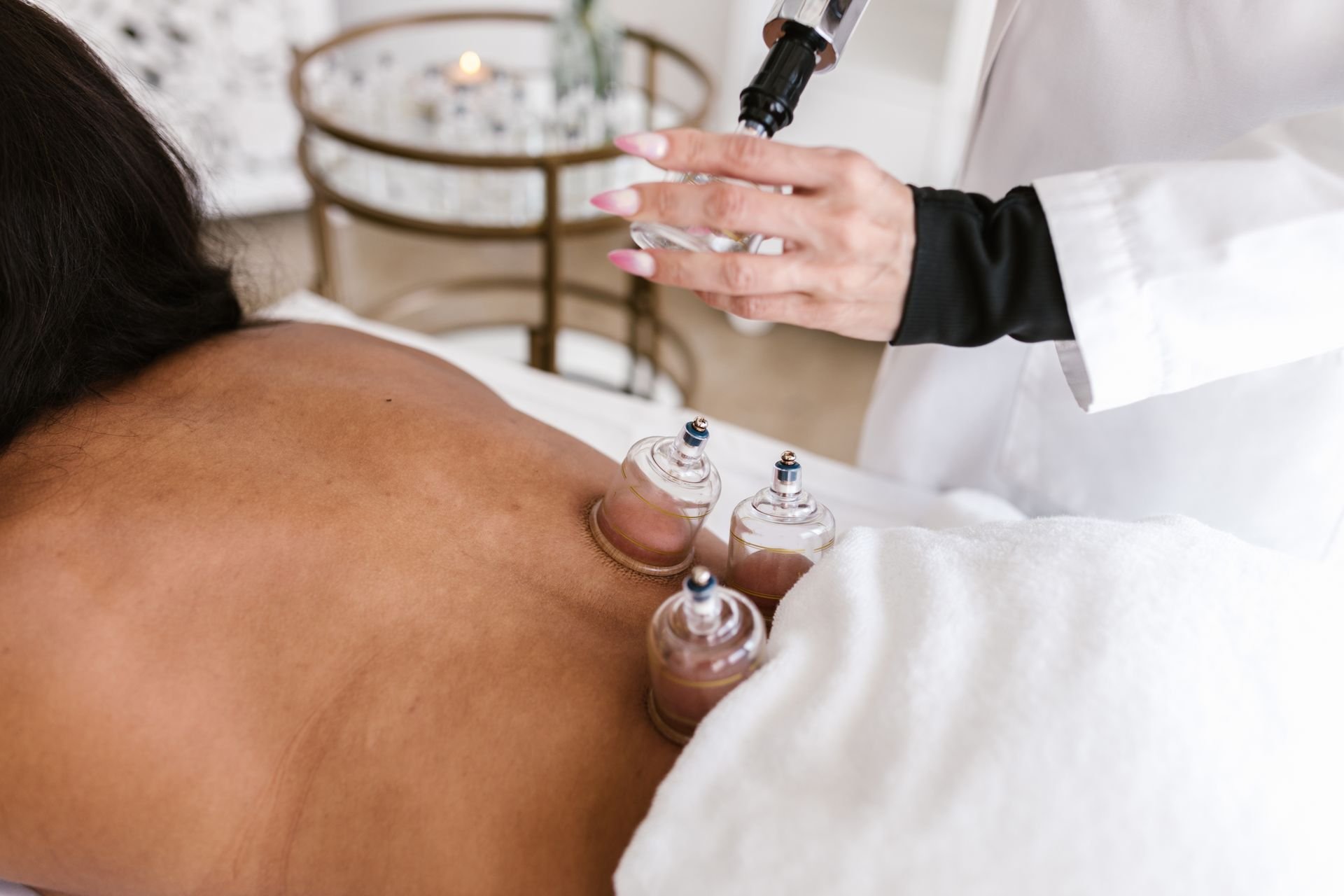
| Stationary cupping with pump cups | A gradual pull built up in steps with a hand pump; suction can be eased without removing the cup |
| Fire cupping with glass cups | A fast, firm draw with brief warmth from the glass; the flame never touches the skin |
| Moving (sliding) cupping | A strong stretching or scraping sensation as the cup glides over oiled skin; the most intense of the group over tight areas |
| Wet cupping (not offered at every clinic) | Light skin punctures first, then suction that draws a small amount of blood into the cup; it feels and looks more involved than dry cupping |
Cups are generally left in place for a short period, often somewhere in the range of 5 to 15 minutes, rather than for long sessions. Pump cups build suction with a hand pump, while glass fire cups create suction as the warm air inside cools. Either way, how strong it feels depends on the suction level, not the method. Our comparison of fire cupping and dry cupping covers the differences in more detail.
Why Cupping Can Feel Uncomfortable in Some Areas
Some spots feel more intense than others. Areas with thin skin or little padding, such as close to the shoulder blade, tend to feel sharper than the thick muscle along the spine, which is why cups are not placed directly over bone. Areas where muscles are already tight and tender often feel stronger at first, because the suction is pulling on tissue that is already sensitive.
Your own state on the day matters too. If you are tired, hungry, or anxious, sensations can feel stronger. Eating a light meal beforehand and letting your practitioner know if this is your first session helps keep the experience comfortable.
Does Cupping Hurt After the Session?
Mild tenderness for a day or two is common. The treated area may feel the way muscles feel after a firm massage: a little sore when pressed, warm, or slightly tight. Some people feel briefly tired or lightheaded straight after a session, which is one reason to sit for a moment before getting up.
The marks usually fade gradually and are typically gone within about 1 to 10 days, depending on how dark they were to begin with.
Signs that something is not following the normal pattern:
Blisters, broken skin, or burns at the cup site
Pain that gets worse over the following days instead of easing
Marks that have not faded after about two weeks
Swelling, heat, or redness spreading beyond the cup area
If you notice any of these, contact your practitioner, and see a doctor if there are signs of infection.
What to Do After Cupping: Simple Aftercare
Keep the treated area covered and warm for the rest of the day, especially in cool or windy weather.
Skip saunas and hot tubs for the rest of the day, hold off on showering for as long as practical (ideally until the next day), and avoid very hot or very cold water on the area. After wet cupping, keep the punctured area clean, dry, and covered for as long as your practitioner advises.
Drink water and have a light, warm meal rather than a heavy one.
Skip intense exercise for the rest of the day if the area feels tender.
Leave the marks alone; there is no need to rub or massage them away.
In TCM terms, the pores over the treated area are considered more open after cupping, which is why keeping the area warm and away from wind and cold is traditional advice. If you want to understand what cupping is used for in the first place, our page on cupping therapy in Greater Vancouver explains how it fits into treatment.
Who Should Check Before Having Cupping
Talk to your practitioner first if any of the following apply:
You take blood thinners or have a bleeding disorder
You are pregnant
You have a skin condition, open wound, or broken skin in the area
You have a pacemaker or another implanted electronic device
You have a history of blood clots
You have a fever or feel unwell on the day
These are reasons to discuss your situation, not automatic refusals, but they do change what is safe to do.
FAQ
-
The first session usually feels the strongest because the sensation is unfamiliar, and later sessions tend to feel easier once you know what to expect. Most people describe it as tight and pulling rather than painful. Telling your practitioner it is your first time means suction can start lighter.
-
Areas with thin skin, little padding, or already tight and tender muscles tend to feel more intense. Thicker muscle, such as along the spine, usually feels like a steady pull.
-
Mild soreness the next day is common and usually eases within one to two days. Pain that gets worse instead of better, or blistering at the cup site, should be checked.
-
Not necessarily. Fire cupping draws fast and firm, with brief warmth from the glass, while pump cups build suction gradually. How intense either one feels depends on the suction level, which your practitioner sets when placing the cup; with pump cups, it can also be eased once the cup is on. The flame never touches the skin.
-
It is best to wait as long as practical, ideally until the next day, and avoid very hot or very cold water on the treated area. After wet cupping, follow your practitioner's advice on keeping the area dry and covered.
Curious About Cupping but Unsure What to Expect?
If you are considering cupping for muscle tension or recovery and want to know how it would feel for your situation, text Neil at (604) 721-7984 or use the contact page with your questions before booking. Neil practises in Surrey and Greater Vancouver and also offers home visits in Richmond, Surrey, and Burnaby.
Contact Neil
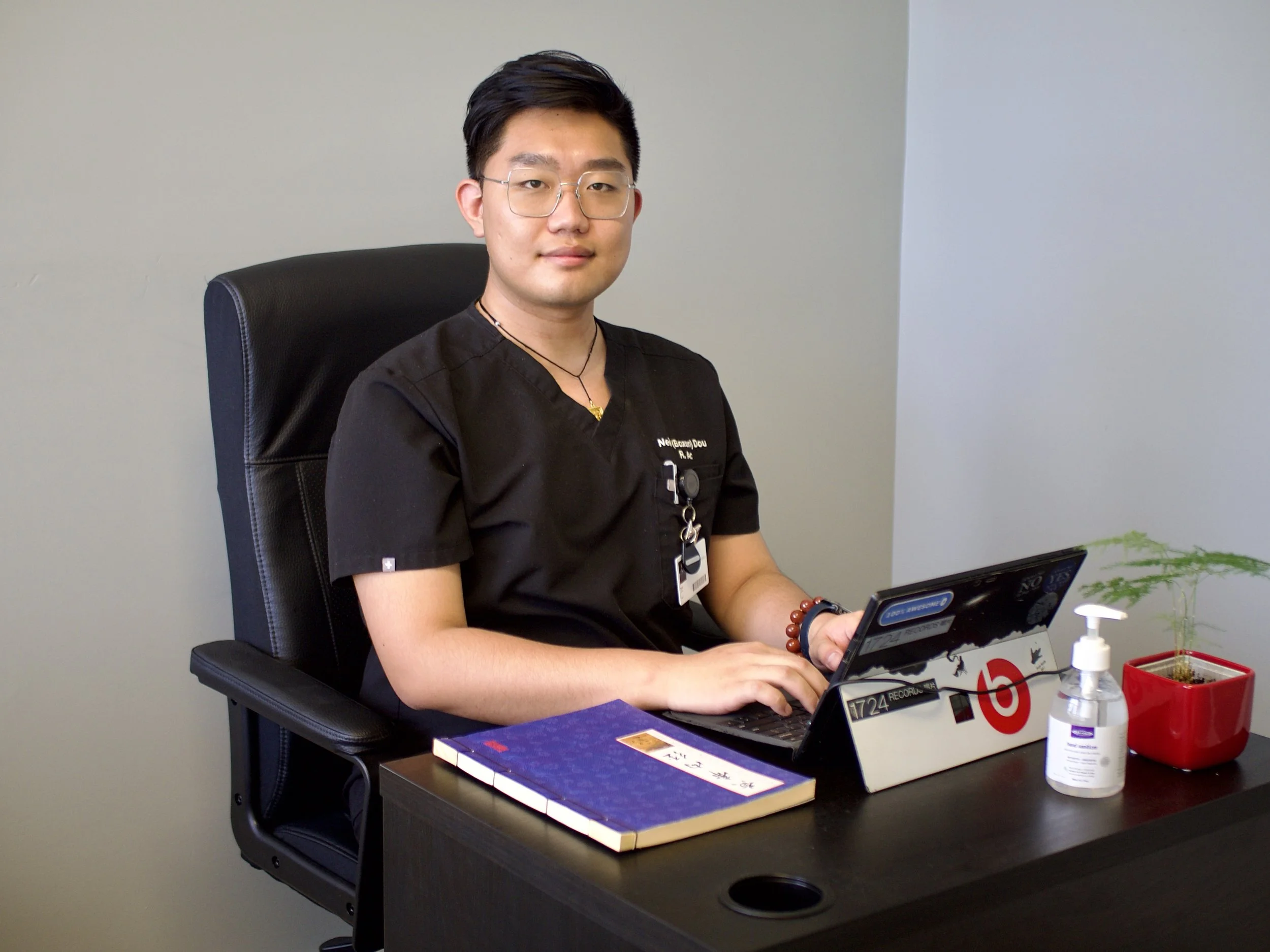
Neil Dou, R.TCMP & R.Ac
Registered Traditional Chinese Medicine Practitioner & Registered Acupuncturist in BC with extensive clinical experience in both China and Canada.