The Benefits of Cupping Therapy: What It Helps and How
Cupping therapy is best known for one thing: releasing tight, aching muscles. It uses suction to lift the skin and soft tissue, which increases local blood flow and helps stubborn tension let go. The benefits people notice most often are looser muscles, less everyday stiffness, better movement in a sore area, and a calmer, more relaxed feeling afterward. Cupping is not a cure-all, and the strongest evidence sits around muscle and pain concerns rather than internal disease, so it is best thought of as a practical tool for tension, recovery, and stress rather than a treatment for everything. Neil Dou, R.TCMP, uses cupping every week with patients across Surrey and Greater Vancouver, and this guide sets out what it genuinely helps, how it works, and who tends to benefit most.

What cupping does, in simple terms
Cupping places cups on the skin and creates a gentle vacuum that lifts the tissue underneath. That suction draws fresh blood into the area, encourages circulation, and gives tight muscles and fascia room to release. In Traditional Chinese Medicine, this is described as moving Qi and Blood and clearing stagnation from a region that has become stuck. In plainer terms, you are giving a congested, tight area a fresh supply of circulation and a chance to loosen. This is also why cupping leaves its familiar round marks, and why the effect is felt most in areas of built-up muscular tension.

Benefit by concern: what cupping actually helps
Rather than a long list of promises, it helps to look at the specific problems cupping is genuinely useful for.
Muscle tension and knots. This is cupping's home ground. By lifting tissue and drawing in circulation, it helps tight bands and knots release, which is why so many people book it for a stiff, locked-up feeling. For persistent tension you can read more on cupping for muscle tension.
Back, neck, and shoulder tightness. The upper back, neck, and shoulders take the strain of desk work, driving, and screen time, and they respond well to cupping because the tension is localized and easy to target.
Sports recovery and circulation. Athletes and active people use cupping to ease sore, overworked muscles and support recovery between training, largely through its effect on local blood flow.
Stress and sleep. Many people find cupping deeply relaxing, and a session often leaves them calmer and sleeping better that night. This is the nervous system settling as tension eases, and it is one of the most common comments patients make.
Seasonal and respiratory support. Traditionally, cupping over the upper back has been used to support the body through coughs, colds, and seasonal changes. This is a long-standing traditional use rather than a replacement for medical care, and it is worth framing honestly as such.
What the research actually supports
It is worth being straight about the evidence. The strongest research support for cupping is in musculoskeletal and pain-related complaints, particularly neck, back, and shoulder pain, where a number of studies report meaningful short-term relief. The overall quality of that research is still mixed, and larger, more rigorous trials are needed before firm claims can be made, so the honest position is that cupping is promising and widely valued for muscle and pain concerns, not a proven treatment for internal disease. In Traditional Chinese Medicine, cupping is understood as clearing stagnation and dispelling cold and damp from a region, and that traditional rationale sits alongside the modern picture rather than against it. What is worth being clear about is the marks themselves: they are a circulation response, not "toxins" being pulled from the body, so anyone promising a detox or a cure is overstating what cupping does. Used realistically, for tension, recovery, and stress, it earns its place.
What a benefit-focused session looks like with Neil
In practice, Neil starts by finding the areas that are actually tight, then places the cups where they will do the most good, either holding them in place or gliding them across the muscle. A session is short, the pulling sensation is firm but not painful, and most people feel looser straight away, with the fuller benefit building over the next day or two. For ongoing tension, benefits tend to build across a few sessions rather than a single visit, and Neil will usually suggest a realistic rhythm for your TCM journey rather than an open-ended plan. Cupping also pairs naturally with acupuncture, and the two are often used together in the same visit.
Who benefits most, and who should check first
Cupping suits desk workers with neck and shoulder tension, athletes and active people managing recovery, and anyone carrying stubborn everyday stiffness. [Optional: one real pattern Neil sees most often in his Surrey patients, e.g. upper-back and neck locking from long commutes and desk setups, would add a genuine local detail here, please provide.] If your tightness is tied to a longer-standing pain problem, it can form part of a wider plan for chronic pain treatment. Cupping is not right for everyone, though. If you take blood thinners, have a bleeding disorder, are pregnant, or have fragile or broken skin over the area, mention it first so the approach can be adjusted or reconsidered. When in doubt, a quick message before booking is the easiest way to check.
Frequently asked questions
-
The main benefits are looser, less painful muscles, relief from back, neck, and shoulder tightness, better local circulation, support for sports recovery, and a relaxed, calmer feeling that often helps with sleep.
-
Cupping is most useful for muscular tension and knots, localized back and shoulder pain, sports recovery, and stress relief. It is a practical tool for tension and recovery rather than a treatment for internal disease.
-
Yes, particularly for back pain driven by muscular tension, which is where the research support is strongest. For long-standing or nerve-related back pain, it works best as part of a wider treatment plan.
-
Yes. The suction draws fresh blood into the treated area and increases local circulation, which is a large part of how it eases tension and supports recovery.
-
Very often, yes. Many people find a session deeply relaxing and notice they sleep better that night, as muscular tension and the nervous system settle.
-
For a specific tight area, benefits usually build across a few sessions rather than one. Neil will suggest a realistic rhythm based on what he finds, rather than an open-ended plan.
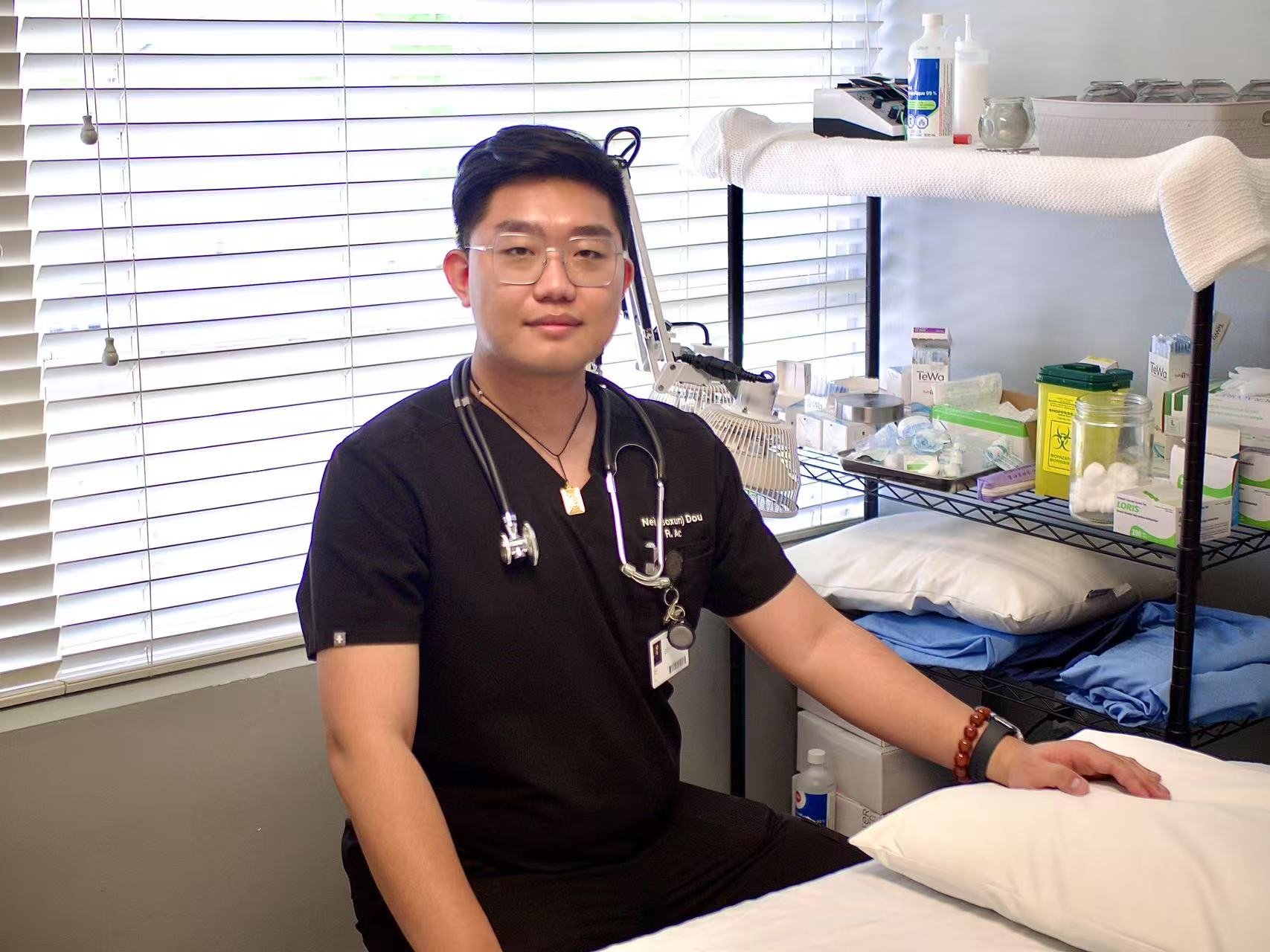
Neil Dou, R.TCMP & R.Ac
Experienced & Trusted TCM Care
Registered Traditional Chinese Medicine Practitioner & Registered Acupuncturist in BC with extensive clinical experience in both China and Canada.
Serving Richmond & Greater Vancouver
Provides personalized acupuncture treatments and home visits across Richmond, Surrey, and Burnaby, recognized for effective care and positive patient feedback.
Proven Results With a Holistic Approach
With over 7,000 successful treatments, care focuses on pain relief, internal medicine, and long term healing through a holistic approach that combines acupuncture, food therapy, cupping, gua sha, and lifestyle guidance.