How TCM Views Gut Health: Diet and Acupuncture for Better Digestion
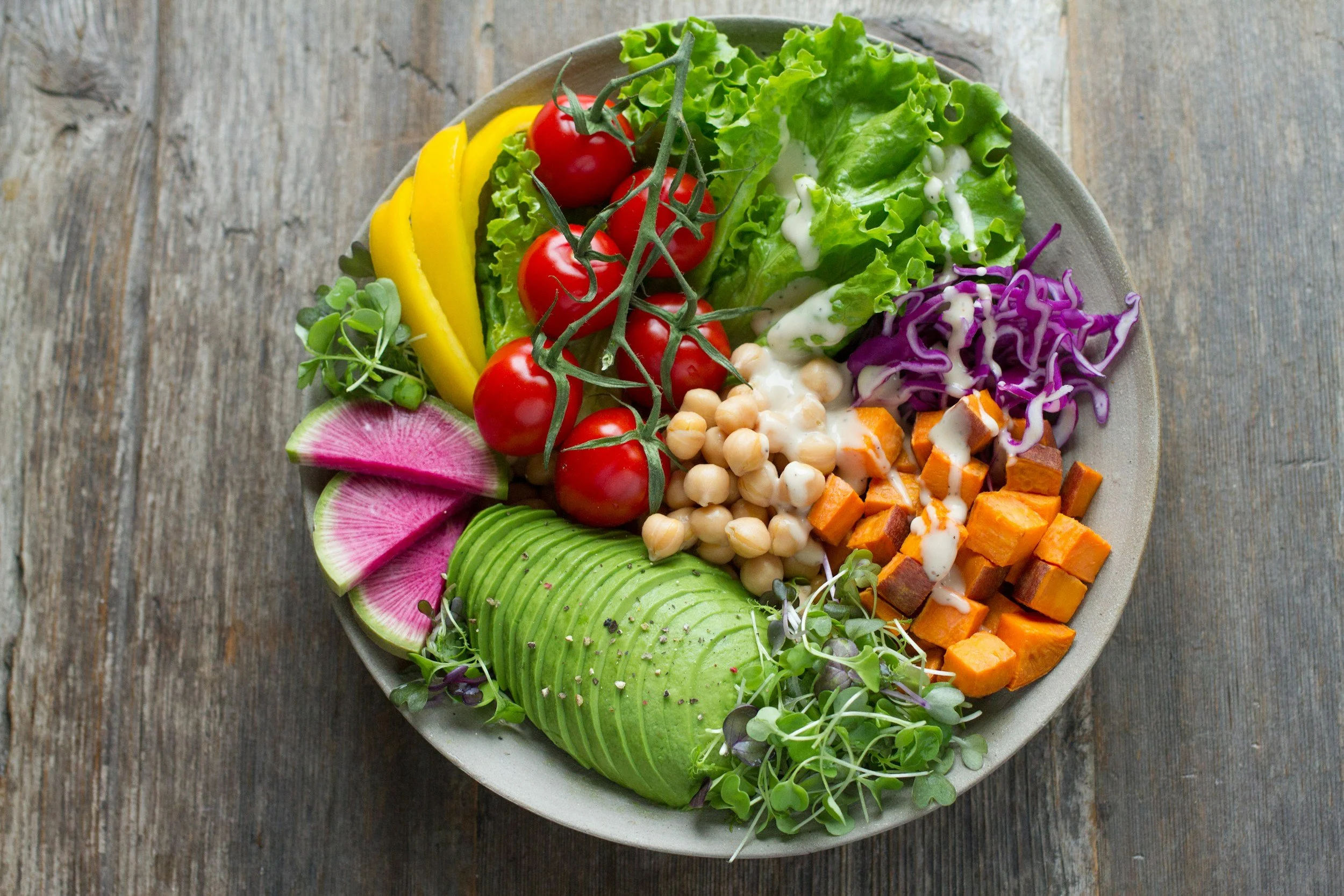
In Traditional Chinese Medicine, a diet for digestion means favouring warm, cooked foods over cold and raw ones, eating on a regular schedule, and stopping at comfortably full rather than completely full, all in support of what TCM calls Spleen Qi. This matters even more for patients in Surrey and Greater Vancouver, where a wet, cool climate for much of the year adds to the internal dampness TCM associates with sluggish digestion, bloating, and fatigue after meals. Digestion is not just one system among many in TCM theory. It is treated as the foundation everything else is built on: energy, mood, sleep, and immunity all draw on what TCM calls the Spleen and Stomach. This page covers how TCM understands digestion, the food habits that support it, and where acupuncture fits when diet alone is not enough.
Digestion as the Source of Your Energy
In TCM theory, the Spleen and Stomach sit at the centre of how the body generates Qi. The Stomach receives food, and the Spleen transforms it into the Qi and Blood that fuel everything else, physical energy, mental clarity, and immune response included. This is why TCM practitioners ask about digestion even when the presenting complaint seems unrelated: fatigue, poor concentration, or frequent colds can all trace back to weak Spleen function.
When Spleen Qi is functioning well, digestion is comfortable, energy after meals is steady rather than crashing, and stools are well formed. When Spleen Qi is weak, food is not transformed efficiently. Instead of clean energy, this can generate what TCM calls dampness, a heavy, sluggish quality behind bloating, loose stools, and the kind of tiredness that shows up specifically after eating. Greater Vancouver's damp climate does not cause this on its own, but for a Spleen that is already struggling, it is one more factor working against it.
What Most People Get Wrong About Digestion and Diet
They think digestion is only about what you eat. Food choice matters, but TCM places equal weight on how you eat and how well your Spleen is currently functioning. Two people can eat identical meals and have very different digestive responses because their underlying Spleen and Stomach function differs.
They assume cold and raw foods are automatically healthier. In TCM terms, a large volume of cold or raw food, iced drinks, and salads eaten as a primary meal makes the Spleen work harder to bring digestion up to a workable temperature. For someone with already weak digestion, this can worsen bloating and loose stools rather than improve health, even though the food itself is nutritious.
They wait for digestion to fix itself. Ongoing bloating, fatigue after meals, or inconsistent bowel habits are often treated as a minor inconvenience rather than a sign the Spleen needs support and left to affect energy and other systems over time.
Everyday Food Habits TCM Associates With Better Digestion
The clearest starting point is temperature and preparation. Soups, stews, and cooked vegetables are easier for the Spleen to transform than iced drinks, large raw salads, or food straight from the refrigerator. This does not mean raw food is forbidden, only that it asks more of digestion that may already be under strain.
| Supportive Foods (Warm, Cooked) | Taxing Foods (Cold, Raw, Damp-Forming) |
|---|---|
| Soups, stews, and warm broths | Iced drinks and cold beverages |
| Cooked root vegetables, such as carrot, sweet potato, and squash | Large raw salads eaten as a main meal |
| Warming spices, such as ginger and cardamom | Excess dairy and sugary, processed snacks |
| Congee or other slow-cooked grains | Deep-fried or greasy takeout |
Keep meal timing regular. Eating at consistent times, rather than skipping meals and then eating a large meal later, supports steady Spleen function. Irregular eating patterns are one of the most common contributors to digestive complaints seen in TCM assessment.
Eat until comfortably full, not completely full, and slow down while eating. Overloading the Stomach, or eating quickly and under stress, interferes with the Stomach's ability to receive and process food properly, which is part of why heavy or rushed meals are often followed by bloating and sluggishness.
When Diet Alone Is Not Enough
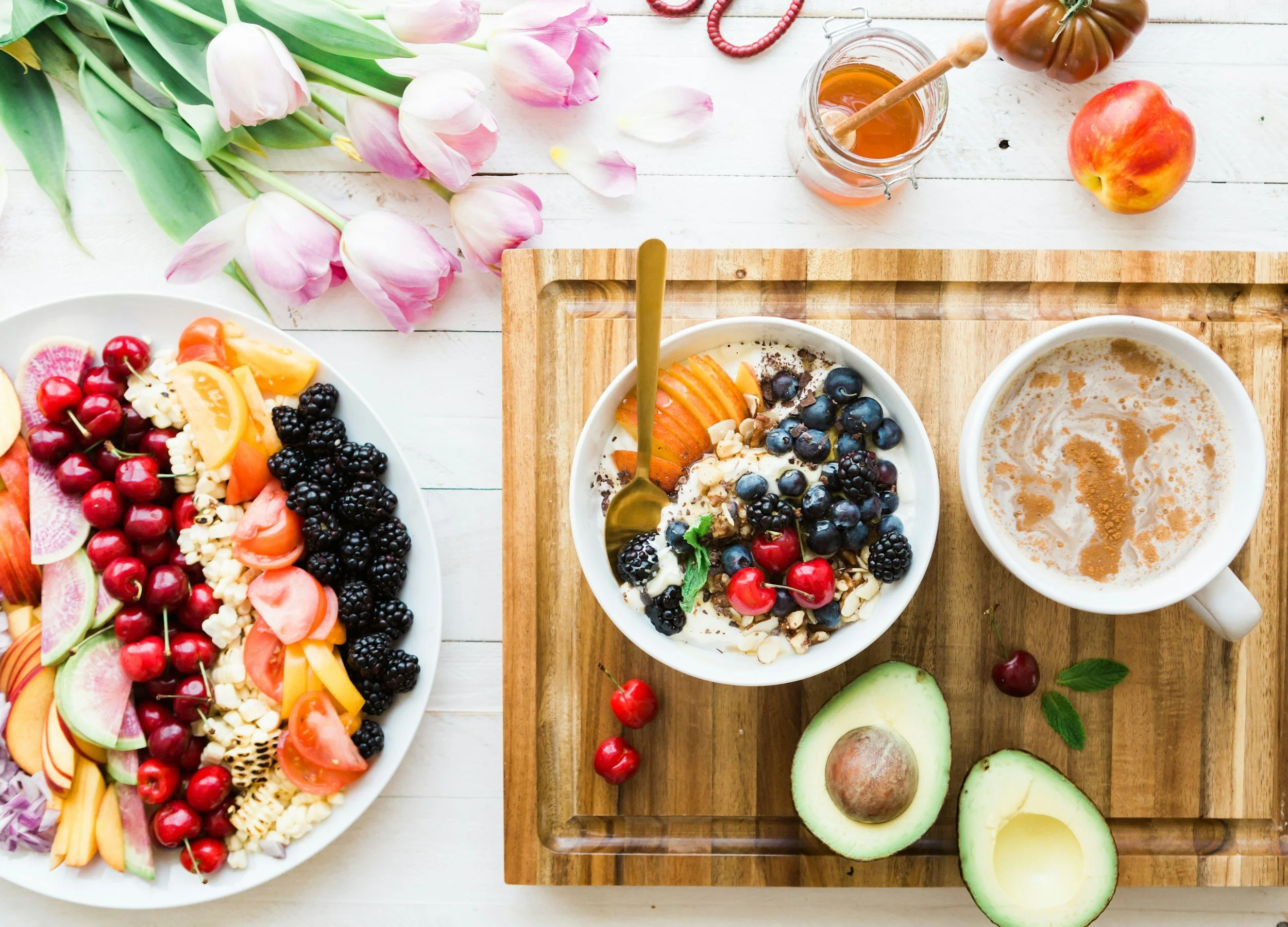
Dietary habits support digestion, but they do not always resolve it on their own, particularly when Spleen Qi deficiency has been building for years or stress is a significant ongoing factor. If you have adjusted your eating patterns along the lines above and are still dealing with regular bloating, inconsistent bowel habits, or reflux, this usually signals the underlying Qi imbalance needs more direct support than diet can provide alone.
Stress is often the hidden driver behind digestion that will not settle no matter what is eaten. In TCM terms, ongoing stress and frustration can cause the Liver to constrain, and a constrained Liver frequently overacts on the Spleen, a relationship traditionally described as Wood overacting on Earth. When this is happening, Spleen-supportive food choices alone tend to fall short, because the disruption is coming from the Liver's effect on digestion rather than from the Spleen in isolation.
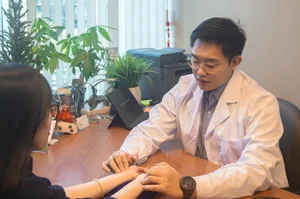
This is where acupuncture fits as the deeper, ongoing layer of support. Acupuncture works directly on Spleen and Stomach function, using point combinations suited to your specific pattern, whether that leans toward Qi deficiency, accumulating dampness, or Stomach Qi that is not descending properly. Rather than replacing dietary habits, acupuncture and food-based guidance work together, addressing digestion from two directions at once. For a closer look at how this applies to specific complaints like bloating, IBS, and acid reflux, a dedicated page covers those patterns in more depth.
Common Questions
-
TCM generally favours warm, cooked foods such as soups, stews, and lightly cooked vegetables over cold, raw, or iced foods, along with regular meal timing and eating until comfortably full rather than completely full. The right approach still depends on your individual pattern, which is best assessed directly.
-
For mild or occasional digestive discomfort, dietary changes alone are often enough. For bloating, bowel changes, or reflux that has been present for months or years, acupuncture addressing the underlying Spleen and Stomach Qi pattern is typically needed alongside diet for lasting change.
-
Spleen Qi refers to the Spleen's capacity to transform food into usable energy and to move nutrients and fluids through the body efficiently. It is a functional concept describing digestive strength rather than a direct reference to the physical spleen organ as understood in Western anatomy.
-
If dietary changes have helped but have not fully resolved how you feel after meals, an assessment can identify what is driving the remaining pattern. Reach out through the contact page to find out whether acupuncture is the right next step for your digestion.
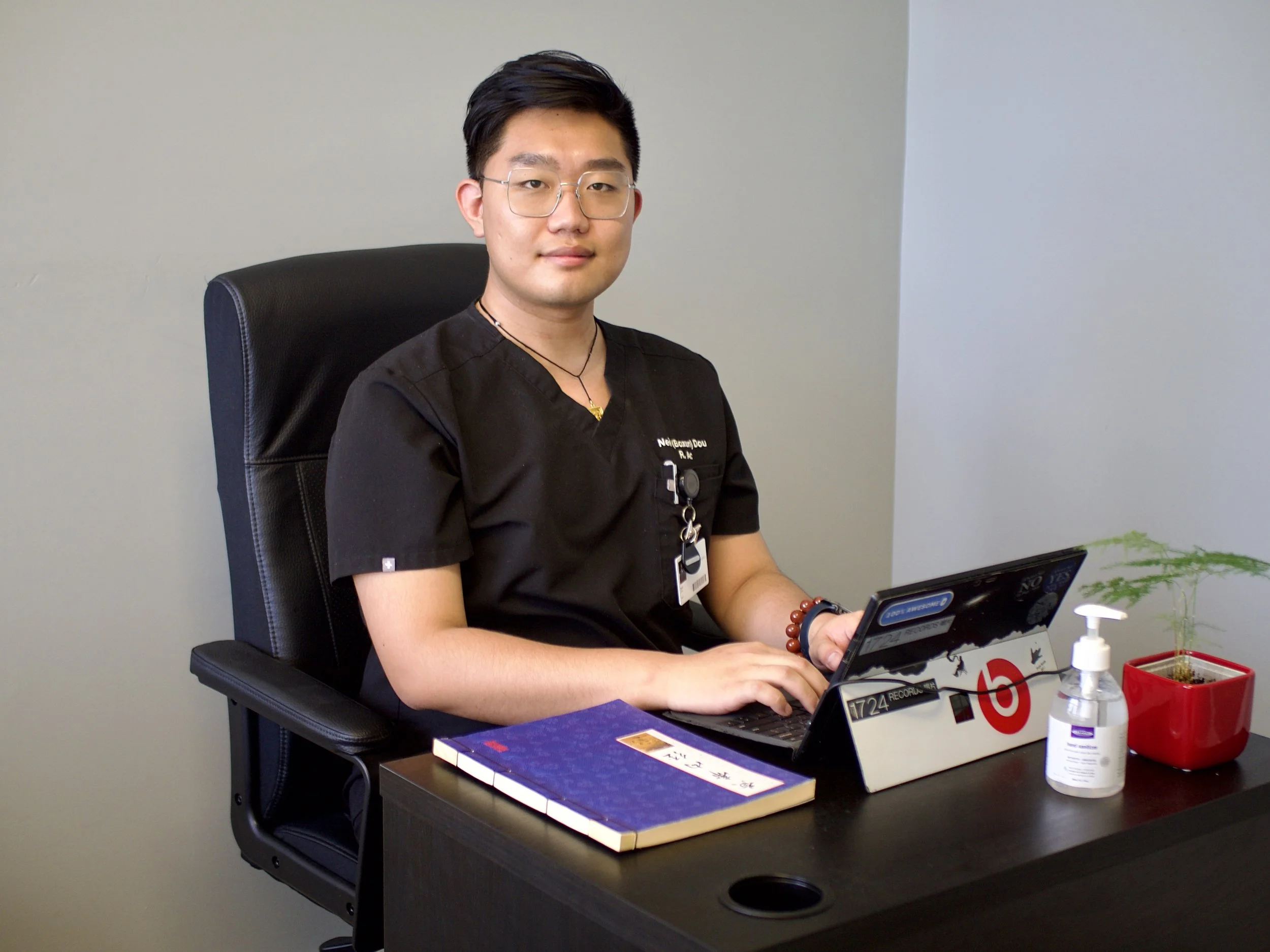
Neil Dou, R.TCMP & R.Ac
Registered Traditional Chinese Medicine Practitioner & Registered Acupuncturist in BC with extensive clinical experience in both China and Canada.