Facial Cupping vs Facial Acupuncture: Which Is Right for You?
Facial cupping and facial acupuncture are both gentle, natural ways to support your skin, but they work differently and suit different goals. Facial cupping uses small, soft cups and light suction to boost circulation and lymphatic flow, which can leave the skin looking brighter and less puffy, though the effect tends to be subtle and short-lived, and it is most often done as an at-home routine. Facial acupuncture uses very fine needles to prompt the skin's own repair response, which builds a more structured, longer-lasting result over a course of sessions, and it is a professional, in-clinic treatment. If you want a quick weekly glow, facial cupping is a fine home habit; if you want a considered cosmetic result, facial acupuncture is the stronger choice. Neil Dou, R.TCMP, offers facial acupuncture across Surrey and Greater Vancouver, and this guide will help you decide.
What facial cupping is, and how it differs from body cupping
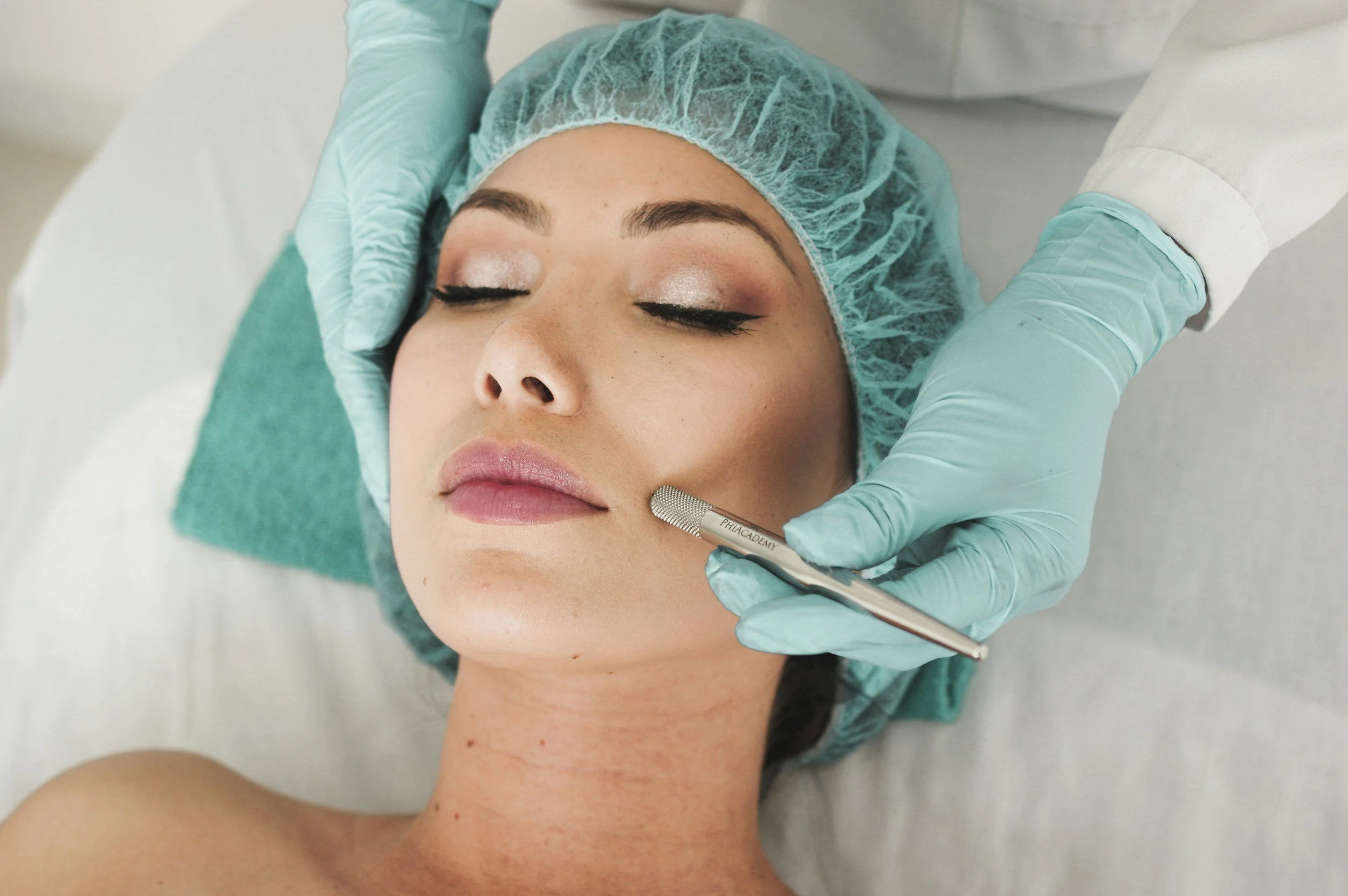
Facial cupping uses small silicone or glass cups, far smaller and gentler than the ones used on the back and shoulders. Rather than being left in place, the cups are moved continuously across the skin with only light suction. The aim is to lift the tissue gently, encourage blood flow and lymphatic drainage, and give the face a temporary lift and glow. Because the suction is light and the cups keep moving, facial cupping should not leave the round marks that body cupping does. That is the key difference from body cupping: same basic idea, far gentler application, and no lasting marks when it is done correctly.
What facial acupuncture is, and how it works for skin
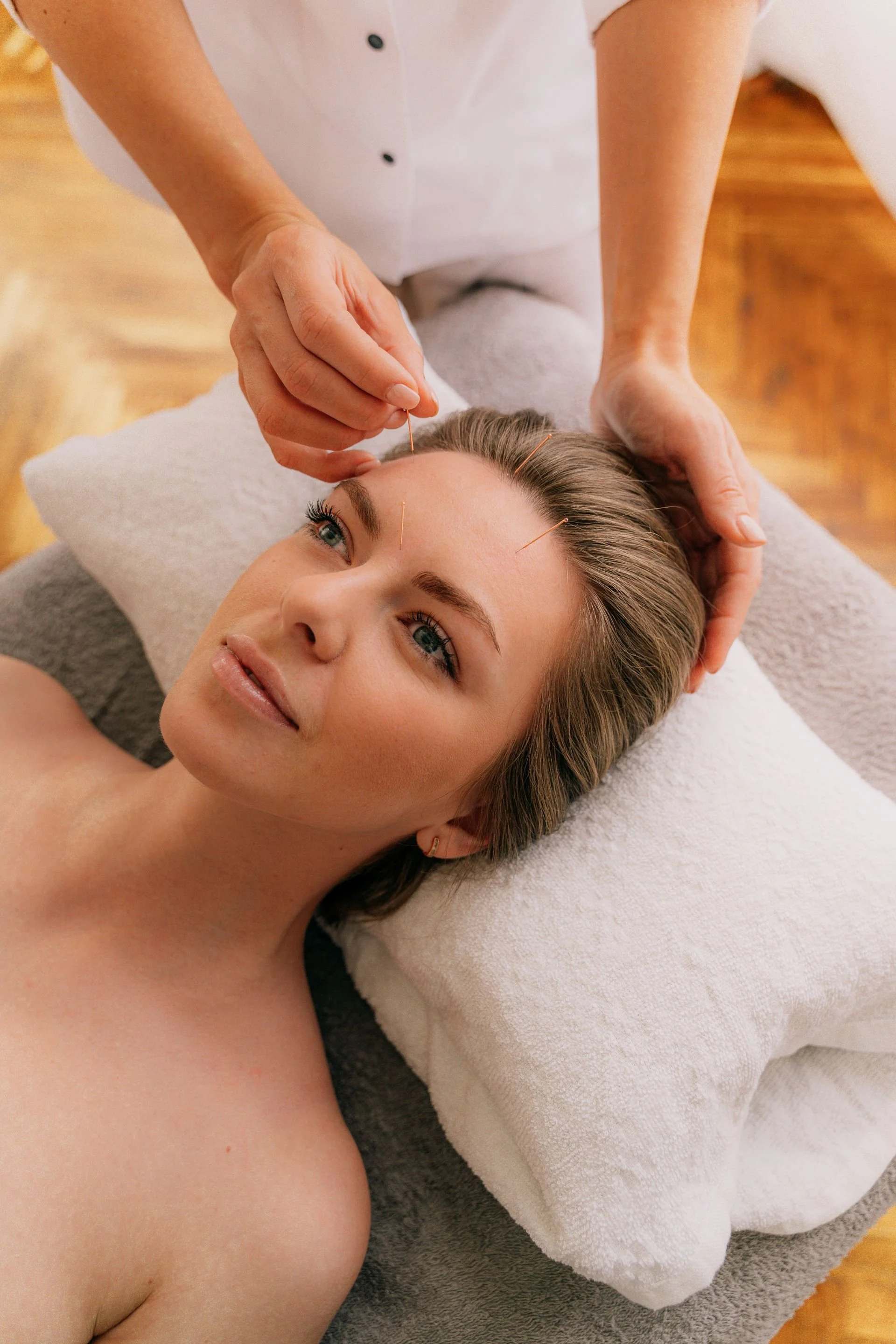
Facial acupuncture, often called cosmetic acupuncture, uses very fine needles placed at points on the face and body. The tiny, controlled stimulation prompts a local healing response, which is thought to support collagen activity, circulation, and muscle tone in the face. Rather than a surface effect, it works with the skin's own repair processes, which is why the results build gradually and last longer. On his cosmetic acupuncture pages, Neil notes results such as softer fine lines around the eyes and mouth, brighter and more even tone, reduced puffiness, and improved texture and firmness, typically appearing within three to five sessions, with a fuller course giving more lasting change.
Side by side: goals, sensation, downtime, and results
Facial cupping
How it works: Light suction to boost circulation and drainage
Best for: A quick glow, puffiness, and at-home upkeep
Sensation: Gentle gliding suction
Downtime: None; no marks when done correctly
Results: Subtle and short-lived
Where: Often at home, sometimes in clinic
Facial acupuncture
How it works: Fine needles prompt the skin's repair response
Best for: Fine lines, tone, firmness, and a lasting result
Sensation: Tiny pinches, then a relaxed feeling
Downtime: None; occasional tiny temporary spots
Results: Gradual and longer-lasting over a course
Where: Professional, in-clinic
Which should you choose?
The honest answer depends on what you want. If your main concern is a dull, puffy morning face and you want a low-cost habit you can do yourself, facial cupping is a reasonable place to start. If your goal is to soften fine lines, even out tone, and lift and firm the face in a way that holds, facial acupuncture is the stronger option, because it works with the skin's own repair processes rather than only its surface circulation. For puffiness and a quick glow, cupping. For fine lines, tone, and a lasting result, acupuncture. Many people are drawn to facial cupping first because of the at-home tools, then move to cosmetic acupuncture when they want a more noticeable, professional result.
Doing it professionally versus at-home tools
Most facial cupping is done at home with an inexpensive kit, which is part of its appeal, but it is also where people run into trouble. Too much suction, or lingering in one spot, can actually break tiny facial capillaries and leave marks, which is the opposite of the goal. Facial acupuncture is not a home treatment: it is done by a trained practitioner who places the needles precisely and safely. If you would like a professional cosmetic result, the in-clinic option at this practice is facial acupuncture treatment, and a short consultation is the easiest way to see whether it suits your skin and your goals.
Frequently asked questions
-
Facial cupping uses small cups and light, gliding suction to boost circulation and lymphatic flow in the face. It can give a temporary brightening and de-puffing effect, so it works for a short-term glow, but the results are subtle and do not last long on their own.
-
Neither is simply better; they suit different goals. Facial cupping is a gentle, mostly at-home way to boost circulation and reduce puffiness. Facial acupuncture is a professional treatment that works with the skin's repair processes for a more lasting result on fine lines, tone, and firmness.
-
Done gently and kept moving, facial cupping is generally safe and should not leave marks. The main risk is too much suction, which can break small facial capillaries. Avoid it over broken or irritated skin, and be gentle.
-
Realistically, expect a short-term brightening and a slightly less puffy, more lifted look immediately after. It is a temporary effect rather than a permanent change, which is why it is best used as regular upkeep rather than a one-time fix.
-
Facial cupping can make fine lines look softer temporarily by plumping and hydrating the surface, but it does not remove wrinkles. For a more lasting effect on fine lines and firmness, facial acupuncture is the better-suited treatment.

Neil Dou, R.TCMP & R.Ac
Experienced & Trusted TCM Care
Registered Traditional Chinese Medicine Practitioner & Registered Acupuncturist in BC with extensive clinical experience in both China and Canada.
Serving Richmond, Surrey & Greater Vancouver
Provides personalized acupuncture treatments and home visits across Richmond, Surrey, and Burnaby, recognized for effective care and positive patient feedback.
Proven Results With a Holistic Approach
With over 7,000 successful treatments, care focuses on pain relief, internal medicine, and long term healing through a holistic approach that combines acupuncture, food therapy, cupping, gua sha, and lifestyle guidance.