Acupuncture for Neck and Shoulder Pain
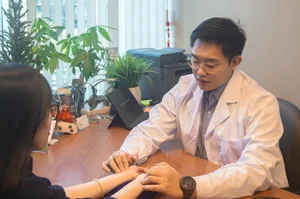
Acupuncture for neck and shoulder pain treats both the local muscle tension and the nervous system sensitization that keeps it returning, with most patients seeing meaningful improvement within 4 to 6 sessions. Neil Dou, R.Ac, draws on a 2012 meta-analysis of 29 randomized controlled trials showing acupuncture significantly more effective than sham treatment for chronic neck pain, with benefits holding at follow-up.
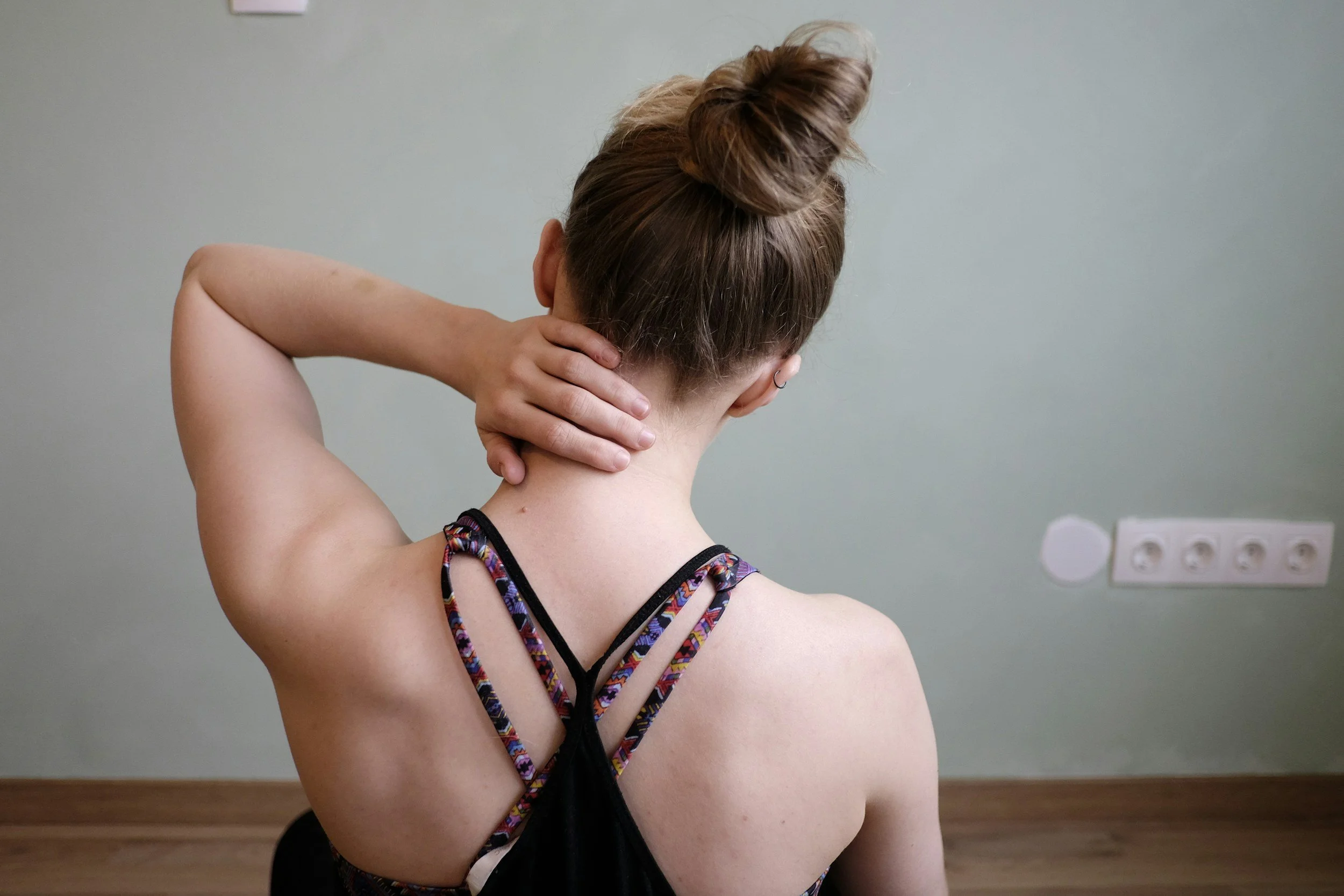
Neck and shoulder pain does not usually start with a single incident. It builds over months of forward head posture, sustained screen time, and commutes that load the upper back before the workday has even begun. By the time most patients arrive, they have tried stretching, massage, and waiting. The tension keeps returning, and that pattern is information.
Acupuncture for neck and shoulder pain addresses both the local muscle tension and the nervous system state maintaining it. Most approaches treat the symptom. This one treats the system producing it.
What Most People Get Wrong
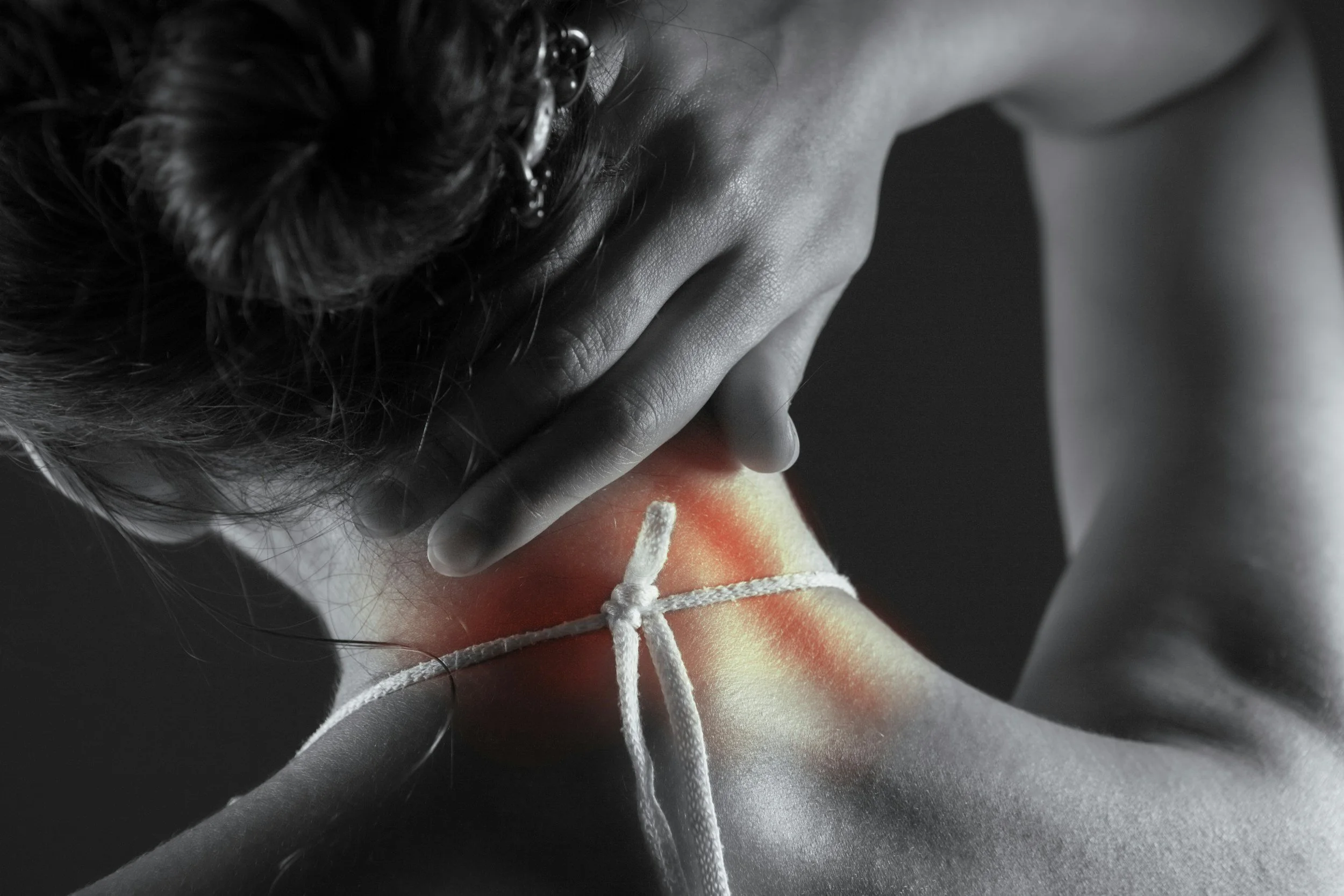
Most patients point to the upper trapezius. That muscle is almost never the origin of the problem. It hurts because it is compensating for restrictions higher up: the levator scapulae at the upper cervical spine, the suboccipital muscles, or the first two thoracic segments. Treating only where the pain presents explains why self-treatment provides short-lived relief. The output of the pattern is being addressed, not what is driving it.
After several months, chronic neck and shoulder pain stops being only a tissue problem. The nervous system has sensitized and the threshold for pain drops. In practice, patients who address this within the first few months of onset consistently do better than those who wait a year hoping it will resolve on its own.
Symptoms That Respond Well to Treatment
Patients presenting with these patterns tend to respond well:
Neck stiffness with limited rotation, especially in the morning
Upper trapezius tension that returns within days of massage
Pain or aching between the shoulder blades
Tension headaches that consistently follow periods of neck tightness
Post-whiplash soft tissue pain that never fully settled
Shoulder pain limiting overhead reach or daily tasks
Upper back tension disrupting sleep or work concentration
Acupuncture is also used for shoulder impingement and adhesive capsulitis (frozen shoulder), though these require assessment of the shoulder joint itself and not only the neck and upper back region.
How Acupuncture Addresses Neck and Shoulder Pain
Acupuncture works at two levels for this kind of presentation.
At the tissue level, needles placed into active trigger points in the upper trapezius, levator scapulae, and cervical paraspinals produce a local twitch response: a brief contraction followed by measurable relaxation of the muscle fibre. At the nervous system level, acupuncture stimulates afferent fibres that activate descending inhibitory pathways, reducing the sensitivity of pain-processing neurons. This is why patients often describe the effect as the pain feeling less urgent overall, not just locally reduced.
Acupuncture does not correct structural findings such as disc changes, arthritis, or bone spur formation. Where structural pathology is the primary driver, acupuncture reduces the associated pain and functional limitation. That distinction is made explicit at the first appointment.
What the Research Shows
The evidence base for acupuncture in chronic neck pain is stronger than most patients expect.
A 2012 individual patient data meta-analysis published in the Archives of Internal Medicine, pooling results from 29 randomized controlled trials, found acupuncture significantly more effective than both sham and no-treatment controls for neck and musculoskeletal pain. Critically, the benefit held at follow-up, not just immediately after treatment ended.
For whiplash-associated disorders, systematic reviews support early acupuncture intervention as part of a multimodal approach. Outcomes are more variable than for chronic postural neck pain, and early treatment consistently produces better results than waiting for the pain pattern to become entrenched.
Cochrane reviews on acupuncture for cervicogenic tension headaches consistently show benefit compared to sham and no treatment. Patients managing neck tension and headaches as a combined pattern often see improvement in both as cervical treatment progresses.
Evidence quality varies by outcome. Pain reduction and improved range of motion show the most consistent results across studies. Long-term maintenance depends on addressing contributing factors, which is why self-management forms part of every treatment plan.

What Happens in a Session
The first appointment is an assessment, not just treatment. It covers where the restriction originates, how long the pattern has been present, and what is sustaining it. If acupuncture is appropriate, treatment typically begins in that same session.
For a neck and shoulder presentation, treatment usually involves 8 to 15 needles placed across the upper trapezius, levator scapulae, cervical paraspinals, and sometimes the suboccipital region. Needles are retained for 20 to 30 minutes. Most patients experience a dull ache at trigger point locations when the needle reaches the muscle band; this resolves within seconds and is often followed by a sense of local release.
Sessions run approximately 45 to 60 minutes. Patients can drive afterward. Wearing a loose top, or bringing one, makes access to the upper back easier. Mild local soreness for 24 to 48 hours after the first one or two sessions is normal and does not indicate a problem. For techniques to use between appointments, this guide on acupressure for shoulder and back pain covers the most accessible self-treatment points.
When Combining with Cupping Makes Sense
For patients with dense or long-standing upper back restriction, acupuncture is often combined with cupping therapy. Cupping creates negative pressure that lifts the superficial fascia away from the underlying muscle, increasing local circulation and reducing adhesion in the upper trapezius and rhomboid region.
This combination works well when examination shows ropiness or firm bands across the upper back. Needles address the neuromuscular trigger pattern; cupping addresses the fascial restriction. When both are present, treating one without the other limits how much improvement carries over between sessions. For a closer look at how this works, cupping therapy for muscle tension and stiffness covers the mechanism and what to expect.
ICBC Coverage for Post-Accident Neck and Shoulder Pain
If neck and shoulder pain follows a motor vehicle accident, ICBC direct billing is available at the Surrey clinic. Bring the claim number, and billing is handled directly. Many patients from Surrey and Langley delay treatment because they are uncertain about coverage. The process is more straightforward than most expect.
Acupuncture is among the more commonly approved treatments under ICBC extended care for post-accident soft tissue injuries. The evidence supporting its use for whiplash-related neck injuries is well-established. For more on how acupuncture supports recovery after injury, acupuncture for injuries covers what the research shows and what to expect from treatment. Starting promptly after a claim is open consistently produces better outcomes than waiting for pain to become entrenched.
Treatment Timeline
Most patients treating neck and shoulder pain see meaningful improvement within 4 to 6 sessions. A full course typically runs 4 to 8 sessions, depending on how long the pattern has been present and whether ongoing stress, poor sleep, or sustained postural exposure are contributing factors.
Sessions 1 to 3: Reduction in acute tension, improved cervical range of motion
Sessions 4 to 6: Addressing compensation patterns in the upper thoracic region, stabilizing the change
Sessions 7 to 8 (where needed): Spacing sessions further apart, transitioning toward maintenance
Patterns present for less than six months generally resolve within the lower end of that range. Patterns present for a year or more typically need the full 6 to 8 sessions to stabilize. A specific estimate is provided at the first appointment based on what the assessment reveals. For more on tracking whether treatment is producing real change, how to tell if acupuncture is working covers the markers worth monitoring.
Who This May Not Be For
Acupuncture is not the right first option if there are acute nerve compression symptoms such as numbness or tingling down the arm that have not been assessed by a physician or physiotherapist; if pain follows recent trauma that has not been imaged; or if there is an active infection or skin condition over the treatment area. An initial assessment will clarify whether acupuncture is appropriate and whether anything else warrants investigation first.
FAQ
-
Most patients see meaningful, lasting change within 4 to 6 sessions. Patterns present for over a year typically need 6 to 8. The first appointment provides enough information for a specific estimate based on the presentation.
-
For patients who complete a full course of treatment, relief is generally sustained beyond the treatment period, particularly when contributing factors such as posture, stress load, and sleep quality are addressed alongside needling. Patients who return for occasional maintenance sessions typically maintain improvement well.
-
As soon as the ICBC claim is open and there are no acute contraindications such as fracture or unresolved concussion symptoms. Early intervention for whiplash-associated soft tissue injuries consistently produces better outcomes than waiting months for pain to become entrenched.
-
BC's MSP (provincial health insurance) does not cover acupuncture. Most extended health benefit plans through employers include it, though dollar amounts vary by plan. ICBC direct billing is available for eligible motor vehicle accident claims, with no out-of-pocket payment required at the time of treatment.
-
They address different aspects of the same problem. Massage works primarily at the tissue level. Acupuncture targets both the local muscle pattern and the nervous system signalling maintaining it. Patients who get short-lived relief from massage but find tension rebuilds quickly often respond better to acupuncture because the nervous system component is being addressed directly. Many patients use both in the same treatment period.
What Patients Have Experienced
Mason B. had been managing chronic back and leg pain before coming in: "I was skeptical at first, but the results were real and noticeable. I would absolutely recommend it."
Neck and shoulder patterns respond the same way when the primary restriction is correctly identified and treatment is directed at the right structures, not just the site of maximum tenderness.
How Neil Approaches Neck and Shoulder Cases
Neil Dou is a Registered Acupuncturist (R.Ac.) registered with the College of Complementary Health Professionals of BC, trained in the 4-year advanced acupuncture program at Kwantlen Polytechnic University. He holds advanced training in Fu's Subcutaneous Needling (FSN) and has treated over 7,000 cases across China and Canada, with a primary focus on chronic pain and musculoskeletal conditions. He teaches at the Canadian College of Naturopathic Medicine and serves as Vice President of the ATCMA.
For patients whose neck and shoulder pain is part of a broader, longer-standing chronic pain picture, the chronic pain management approach covers how assessment and treatment differ when a localized plan is not sufficient.
Book an Assessment
If neck and shoulder tension has been part of daily life for more than a few weeks, an assessment is worth scheduling. Acupuncture services are available from clinics in Surrey (including Fleetwood and Guildford), South Surrey, and Langley.
Appointments cover the specific history and restriction pattern. If acupuncture is appropriate for the presentation, treatment begins at that first session. The outcome is a specific plan and a realistic timeline, not an open-ended commitment.
Message (604) 721-7984 or book an assessment online

Neil Dou, R.TCMP & R.Ac
Experienced & Trusted TCM Care
Registered Traditional Chinese Medicine Practitioner & Registered Acupuncturist in BC with extensive clinical experience in both China and Canada.
Serving Richmond, Surrey & Greater Vancouver
Provides personalized acupuncture treatments and home visits across Richmond, Surrey, and Burnaby, recognized for effective care and positive patient feedback.
Proven Results With a Holistic Approach
With over 7,000 successful treatments, care focuses on pain relief, internal medicine, and long term healing through a holistic approach that combines acupuncture, food therapy, cupping, gua sha, and lifestyle guidance.