Acupuncture for Urinary Incontinence
Persistent fatigue in Traditional Chinese Medicine often reflects an underlying imbalance in the body's energy and organ systems rather than simple tiredness. Neil Dou, R.TCMP, treats chronic fatigue and low energy across Surrey, Langley, and Greater Vancouver using acupuncture, herbal medicine, and moxibustion to restore energy and strengthen the body's ability to recover.
Acupuncture can meaningfully reduce urinary incontinence by regulating the sacral nerves that control bladder function, with most patients at this Surrey and Greater Vancouver clinic seeing fewer urgent episodes within two to three sessions. Neil Dou, R.TCMP, has treated stress, urge, and mixed incontinence presentations as part of over 7,000 clinical cases.
Bladder leaks are more common than most people admit. They are also more treatable than many assume.
Urinary incontinence affects a significant portion of adults, particularly women after childbirth and older adults with reduced pelvic floor tone. Most people manage it quietly for months or years before seeking help. When they do, they are usually told the options are pelvic floor exercises, medication, or surgery.
Acupuncture is not usually in that conversation. Based on the clinical evidence and outcomes seen regularly at Neil Dou's clinic in Surrey and Greater Vancouver, it should be.
What Results Patients Typically See
Most people come in expecting slow, incremental change. What tends to happen is faster than that.
Within the first two to three sessions, the most common early shifts are fewer urgent episodes, less leakage during physical activity, and better overnight control. These are functional changes that reflect nerve regulation and pelvic floor tone beginning to improve.
By six to eight sessions, the pattern is usually clear. Either the treatment is working and results are consolidating, or the approach needs to change. There is no benefit to continuing sessions that are not producing measurable improvement.
Stress incontinence tends to show earlier results. Urge incontinence takes longer. Mixed presentations sit somewhere in between.
How Acupuncture Affects Bladder Control
Acupuncture influences urinary incontinence through specific physiological mechanisms, not general wellness effects.
The bladder is controlled by a network of sacral nerves. When those nerves are overactive or poorly regulated, the detrusor muscle contracts unpredictably, producing urgency or leakage. Acupuncture applied to points in the lumbosacral region directly stimulates these nerves, reducing overactivity and improving signalling between the bladder and the nervous system.
Beyond nerve regulation, acupuncture also:
Improves pelvic floor muscle tone by targeting acupoints in the lower abdomen and lumbar spine
Reduces inflammation in pelvic tissue through hormonal regulation
Lowers cortisol levels, which matter because stress and anxiety consistently worsen incontinence symptoms
What the Research Shows
The evidence base here is stronger than most people expect.
A randomised clinical trial published in JAMA found that women with stress urinary incontinence experienced significantly reduced leakage after six weeks of electroacupuncture in the lumbosacral region, compared to sham treatment. The effect was measurable and clinically meaningful, not marginal.
A study in European Urology Focus found that combining electroacupuncture with pelvic floor muscle training produced better outcomes than pelvic floor exercises with sham acupuncture alone.
A systematic review on PubMed Central, covering multiple randomised controlled trials, concluded that acupuncture can improve bladder function through muscle recovery and nerve regulation, while noting the need for further high-quality research.
Not a guaranteed fix across all presentations. But sufficient to make it a legitimate first-line option before medication or surgery.

Types of Incontinence Acupuncture Can Help With
Stress incontinence (leakage triggered by coughing, sneezing, laughing, or physical exertion) is driven largely by pelvic floor weakness. This is where acupuncture tends to produce the most consistent results, particularly when combined with pelvic floor rehabilitation.
Urge incontinence (a sudden strong urge followed by leakage before reaching the bathroom) is driven by overactive bladder and detrusor muscle instability. Acupuncture's effect on sacral nerve regulation makes it relevant here too.
Mixed incontinence involves both patterns. Treatment addresses both contributing factors.
Acupuncture is less appropriate as a standalone treatment when incontinence is caused by structural damage, significant prolapse, or neurological conditions requiring medical management. In those cases it may still play a supportive role, but medical assessment comes first.
What Happens in a Session
The first session is an assessment. It covers how long symptoms have been present, what triggers leakage, relevant medical history including childbirth, prostate issues or pelvic surgery, sleep, stress levels, and any investigations already completed.
Treatment targets points in the lumbosacral region, lower abdomen, and in some cases the inner leg. The selection depends on the presentation. Stress incontinence and urge incontinence are not needled identically.
Sessions last 45 to 60 minutes. The needling itself is not painful. Most people find the sessions settling.
How Many Sessions and What to Expect
A realistic course of treatment is six to eight sessions over four to six weeks. This is consistent with the timeframes used in the JAMA trial and in clinical practice.
Early changes are usually functional: fewer urgent episodes, less leakage with physical activity, better overnight control. These consolidate with continued treatment.
If no meaningful change is occurring after six sessions, the approach is reassessed. Continuing the same treatment without progress is not the standard here.
Is This the Right Fit for You?
Acupuncture for urinary incontinence works best when:
Symptoms are stress or urge related, or a combination of both
You have had a basic medical assessment and no structural pathology has been identified
You want to try a non-invasive option before committing to medication or surgery
Symptoms are worsened by stress, poor sleep, or postpartum recovery
You are post-surgical and looking for adjunctive support during rehabilitation
It is less likely to be the right standalone approach when incontinence is caused by significant structural damage, prolapse, or an undiagnosed neurological condition. If you have not yet been assessed medically, that comes first.

What Patients Have Experienced
Chelsy H., postpartum stress incontinence:
Chelsy developed stress incontinence after childbirth. Her doctor recommended surgery. She came in as an alternative. Two sessions in, leakage during coughing and stress had resolved.
"I struggled with bladder control ever since giving birth. My doctor said surgery was my only option. After just two sessions, the difference was amazing. Now, no more leaks when I cough or feel stressed."
Manmepreet K., urgency incontinence:
Manmepreet had been managing urgency symptoms for months, complicated by long hours sitting while truck driving. One session produced a noticeable shift.
"Truck driving is tough. You sit for hours, and bathroom breaks became an issue. I found Neil online, and just one session changed my perspective on what acupuncture can actually do."
These outcomes are not guaranteed for every patient. They reflect what is possible when the pattern is assessed accurately and treatment is appropriate for the presentation.
Why Patients in Greater Vancouver Choose This Clinic
Neil has treated 7,000+ cases across Canada and China, with women's health and pelvic floor conditions forming a consistent part of that clinical workload. His background includes a Psychology degree from UBC alongside his TCM training at Kwantlen Polytechnic University, which informs how stress, sleep, and nervous system regulation are factored into pelvic floor presentations.
He has been teaching TCM at the Canadian College of Naturopathic Medicine since 2023 and serves as Vice President of the ATCMA. Advanced training includes Fu's Subcutaneous Needling, Yamamoto New Scalp Acupuncture, and scalp acupuncture under Professor Jiao Shunfa.
Treatment is not a fixed protocol. Two patients with stress incontinence may present differently and be treated differently. What changes across sessions is driven by how the pattern responds, not by a predetermined course.
Book an Assessment in Surrey or Greater Vancouver
No commitment required at this stage. The assessment determines whether acupuncture is appropriate for your situation before any treatment begins.
Neil sees patients at clinics in Surrey, South Surrey, and Langley. Sessions cover your specific pattern, relevant history, and a clear recommendation on whether a treatment course makes sense for your case.
For related women's health conditions including pelvic pain, PCOS, and menstrual irregularity, visit the women's health acupuncture page. For a full overview of acupuncture services across Greater Vancouver, visit the acupuncture services page.
Question before booking? Message at (604) 721-7984. Responses within 2 hours.
-
For stress and urge incontinence the evidence is reasonably strong. The JAMA trial in particular showed clinically significant results in a well-designed study. It is not a guaranteed fix, but it is a legitimate treatment option with a meaningful evidence base behind it.
-
Most people see meaningful change within six to eight sessions. Some respond faster. A realistic expectation is four to six weeks of consistent treatment before drawing conclusions.
-
Yes, and the research suggests the combination produces better outcomes than either approach alone. If you are currently working with a pelvic floor physiotherapist, that context is factored into the treatment plan.
-
Yes, with appropriate assessment. Postpartum presentations are common and respond well. If you are post-surgical, the timing and approach are adjusted accordingly.
-
A medical assessment first is strongly recommended. Acupuncture is most effective when the type and cause of incontinence are understood. If you are unsure, the initial consultation can help clarify whether further investigation is needed before starting treatment.
-
Traditional Chinese Medicine treats fatigue as a sign of imbalance in the body's energy, organ systems, and rhythms rather than a symptom to mask, so treatment addresses sleep, digestion, and stress alongside energy levels.
-
Neil Dou, R.TCMP, begins with a detailed consultation using tongue and pulse analysis, then combines acupuncture, herbal medicine, and moxibustion with practical lifestyle guidance tailored to the patient.
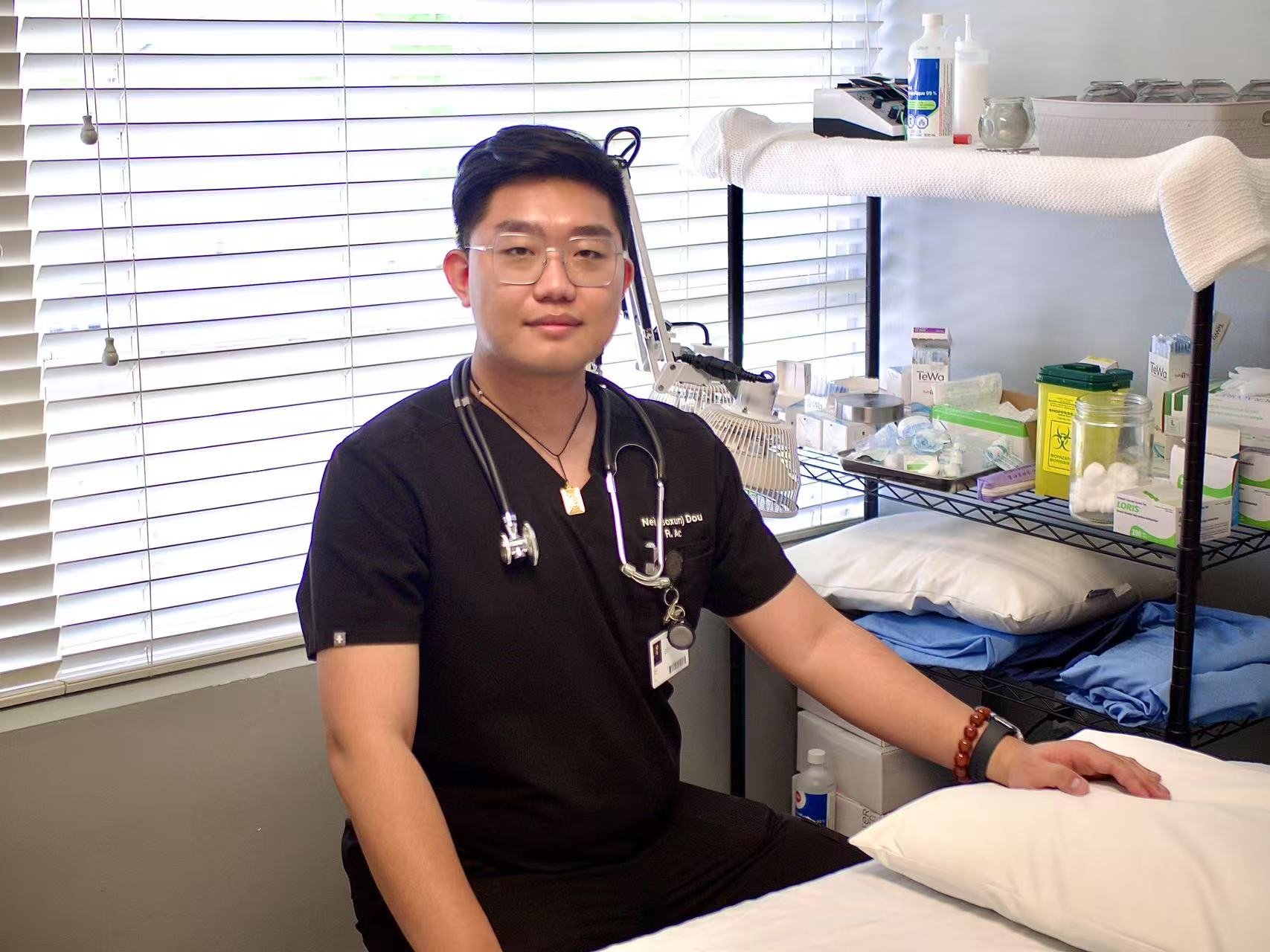
Neil Dou, R.TCMP & R.Ac
Experienced & Trusted TCM Care
Registered Traditional Chinese Medicine Practitioner & Registered Acupuncturist in BC with extensive clinical experience in both China and Canada.
Serving Richmond & Greater Vancouver
Provides personalized acupuncture treatments and home visits across Richmond, Surrey, and Burnaby, recognized for effective care and positive patient feedback.
Proven Results With a Holistic Approach
With over 7,000 successful treatments, care focuses on pain relief, internal medicine, and long term healing through a holistic approach that combines acupuncture, food therapy, cupping, gua sha, and lifestyle guidance.